How to Know If Your Electrical Panel Can Support an EV Charger
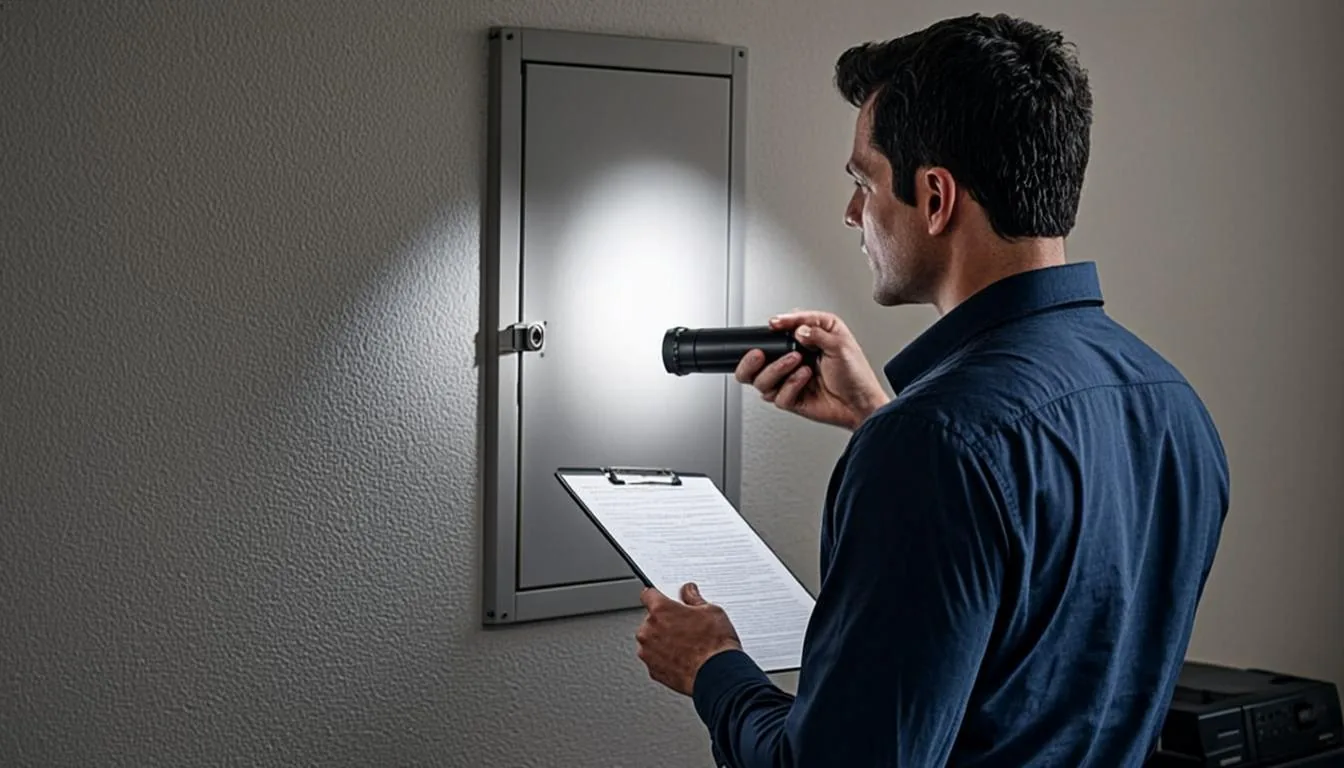
Whether your electrical panel can support an EV charger is a question Bothell homeowners can start answering themselves with a four-point walkthrough covering the rating, the loads, the capacity, and the condition of the equipment. A careful look narrows the possibilities fast, and it makes the professional visit that follows quicker and cheaper.
What separates this guide from a brochure is its honesty about where homeowner reading ends and electrician measurement begins.
Understanding Electrical Panel Capacity
Capacity is not a single figure printed on the box. It is the gap between what the service can supply and what the household demands, and the gap moves with seasons and hours. A panel with open slots can be out of headroom, while a full-looking enclosure sometimes has plenty; appearances and arithmetic disagree often enough that guessing is a poor strategy.
Identifying Panel Rating and Main Breaker
Start at the main breaker, the large two-pole switch at the top of the panel. Its printed number is the service rating, and it frames everything after it: plenty of older Bothell houses read 100 at the top, while many newer builds read 200.
Treat that number as the opening fact, never the conclusion. It tells you the size of the table, not how many chairs are taken, and mistaking one for the other is the error this walkthrough exists to prevent.
Existing Circuit Loads
Walk the branch breakers next and let the labels talk. Kitchen, laundry, water heater, furnace, shop: each name marks a claim on the service. Electric heat, an electric range, and an electric dryer are the heavyweights, while gas versions of the same jobs leave noticeably more room for a newcomer like a car.
Count the double-pole breakers while you are there, the wide switches spanning two columns. Each marks a 240-volt circuit, which takes a bigger bite of the service than any lighting circuit.
Evaluating Available Electrical Capacity
Open slots say little on their own, because physical space and electrical capacity are different currencies. What follows is the honest walkthrough, part observation and part professional measurement:
- Read the main breaker. Note the rating and treat it as the opening fact, never the verdict; the number says nothing about demand yet.
- Tour the branch circuits. Note what each label covers, giving extra attention to heating, range, dryer, and water heater.
- Watch an ordinary evening. Breakers that trip on routine nights, or lights that dim when large appliances start, point to a service already working hard.
- Hand it to the calculation. Your observations become inputs, and the electrician's load calculation converts them into a verdict against the rating.
Four steps, the last belonging to a professional, because demand factors and code methods are where homeowner arithmetic drifts from the number that counts.
Panel Condition and Equipment Limitations
Condition can end the conversation before capacity does. Rust inside the enclosure, scorch marks near breakers, or two wires sharing one terminal all signal equipment needing attention regardless of any charging plan. Older fuse boxes raise flags for inspectors and insurers alike, and no charger belongs on equipment in that shape.
Findings like these usually reorder the project, and the guide to when an electrical panel needs replacing covers the warning signs in depth.
Load Calculation
Everything observed so far feeds one formal step. A load calculation turns the household's equipment list into a demand figure and sets it against the service rating, using methods the electrical code prescribes. Our electrical load calculation guide explains the worksheet in plain terms; it is the step that converts impressions into a number everyone can stand on.
Signs That Further Electrical Assessment Is Needed
Certain findings move up the timeline on their own. Breakers that trip repeatedly, a burning smell near the panel, or flickering that worsens over weeks: any of these warrants an electrician's visit independent of charger plans. Charging equipment should never join a system already sending distress signals, and an honest installer says so before quoting anything.
Professional Electrical Evaluation
The professional visit adds what observation cannot: measured demand, conductor condition, and the formal calculation that settles feasibility. Bring your walkthrough notes; they sharpen the visit. From there the paths are familiar: install on the existing panel, manage the load, or schedule a panel upgrade in Bothell first, with EV charger installation in Bothell following once capacity is confirmed.
Frequently Asked Questions
Does an empty breaker slot mean my panel has room for a charger?
Not necessarily. Physical space and electrical capacity are different things, and a panel can be full of open slots while the service behind it runs near its limit. The load calculation weighs actual demand against the rating; only that comparison, rather than a visual check of slots, determines charger feasibility.
Can I do the load calculation myself?
You can gather the inputs: breaker labels, appliance list, and notes about evening behavior. The formal calculation applies code methods that account for demand factors, where homeowner math usually drifts from the code result. Hand your notes over and let the prescribed method produce the number the permit relies on.
What does dimming lights when appliances start indicate?
Momentary dimming at startup can be normal for large motors, yet repeated or worsening dimming suggests the service is working near its ceiling or that connections need attention. Note when it happens and which appliance triggers it; that pattern helps the electrician distinguish harmless startup draw from a capacity or wiring problem.
How long does a professional evaluation take?
Plan on roughly an hour for most residences. The electrician measures demand, inspects terminations and panel condition, and runs the calculation, then walks you through the three outcomes: install as-is, manage the load, or upgrade first. Notes from your own walkthrough speed the visit along.
Your walkthrough ends where the professional's begins: at the panel cover, with sharper questions than you started with. When you want those answers confirmed by measurement, call (425) 285-8045 and schedule the evaluation. Findings arrive in plain language, with the arithmetic shown.