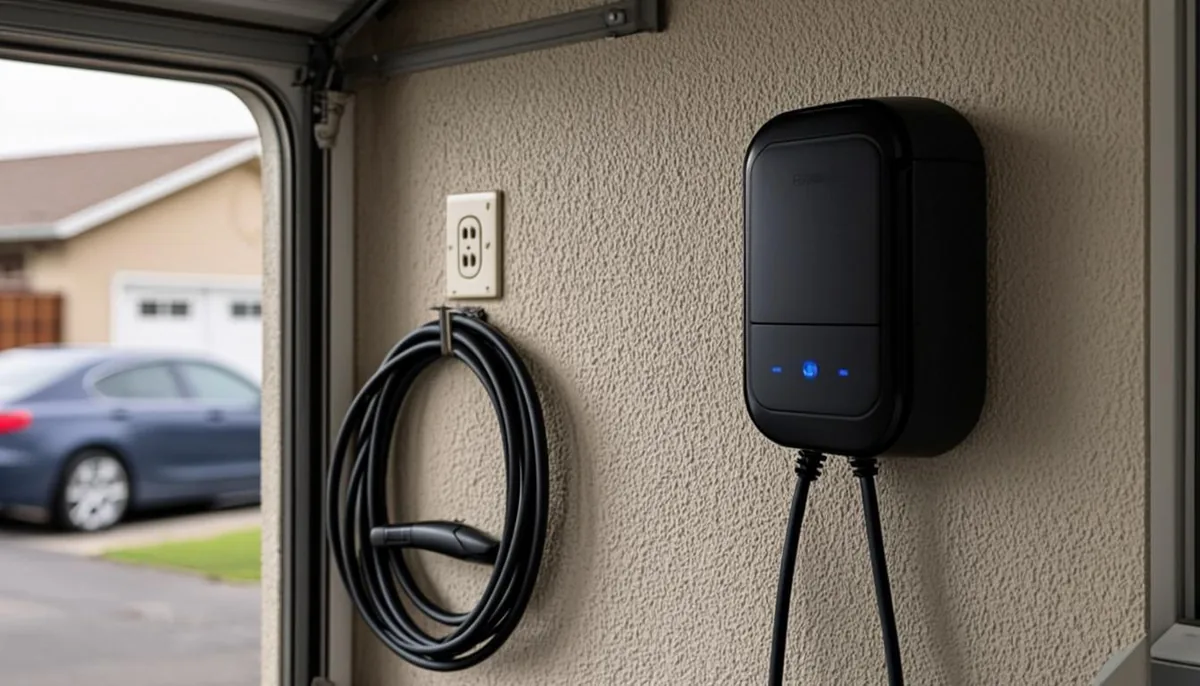
Level 1 vs. Level 2 EV Charging: What's the Difference?
Level 1 uses the outlet you already have. Level 2 uses a 240-volt circuit. Here is what that difference means day to day.
Read the guide
Plain-language guides on home EV charging, electrical panels, permits and costs in the Bothell area.
Guides
Short, specific guides written for homeowners in Bothell and nearby cities: charging levels, charger placement, installation cost and time, Tesla equipment, electrical capacity, Washington permits and utilities, and the property-specific questions that come up along the way. Every guide links to the service page where our crew does that work.
EV Charging Foundation
Level 1 uses the outlet you already have. Level 2 uses a 240-volt circuit. Here is what that difference means day to day.
Read the guide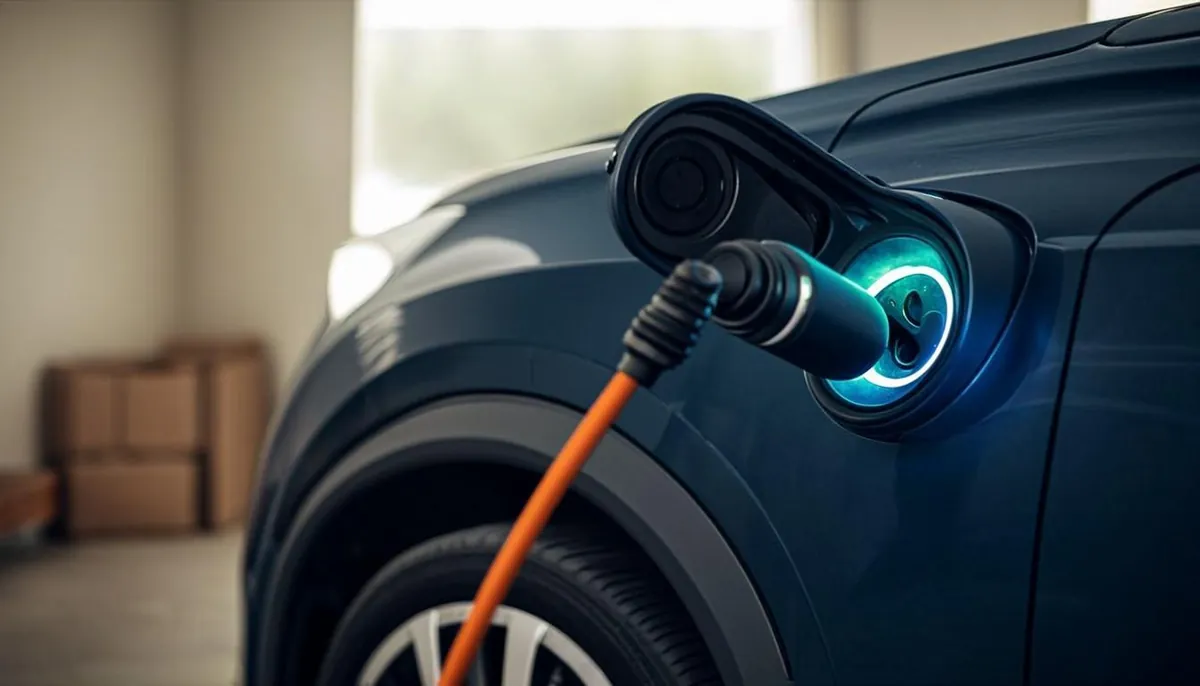
From the onboard charger to the dedicated circuit, a plain-language tour of what happens when you plug in.
Read the guide
The equipment, the wiring run, the panel, and the permit: what actually drives the price of a home charging install.
Read the guide
Why some chargers go in during a single visit and others take a few weeks, step by step.
Read the guide
One mounts on the wall and never moves. One lives in the trunk. Comparing the two Tesla home charging options.
Read the guide
Dedicated circuit, breaker sizing that follows the configuration, permits: what a compliant Wall Connector install includes.
Read the guide
A receptacle you can unplug, or a charger wired in place. The tradeoffs, side by side.
Read the guide
Parking spot, cable reach, panel distance, and the wall itself: how to pick the mounting location.
Read the guide
Level 1 or Level 2, Tesla or not: what home charging takes, from circuit to daily habits.
Read the guide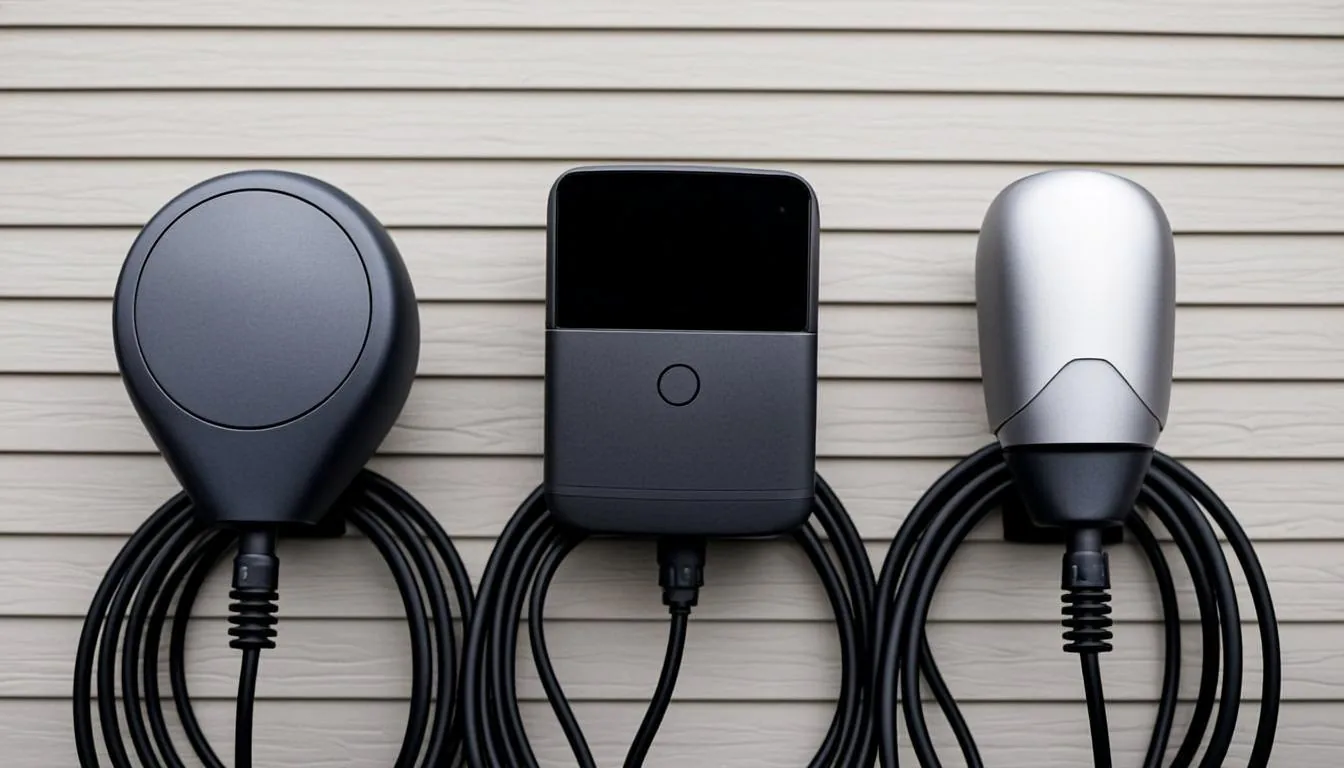
Panel first, amperage second, features third: the order that makes the best charger obvious.
Read the guide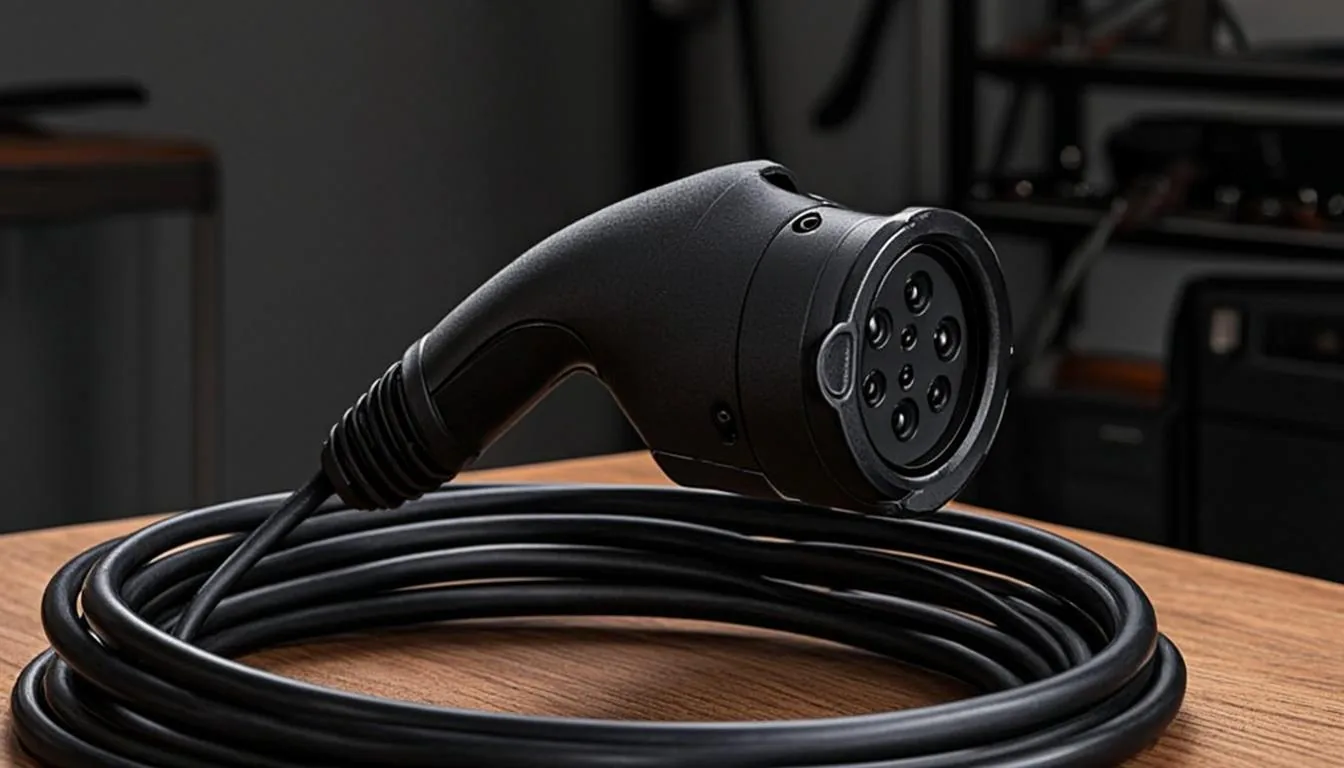
The EV standard plug: what a 14-50 is, what a compliant install requires, and outlet vs. hardwired.
Read the guideElectrical Capacity
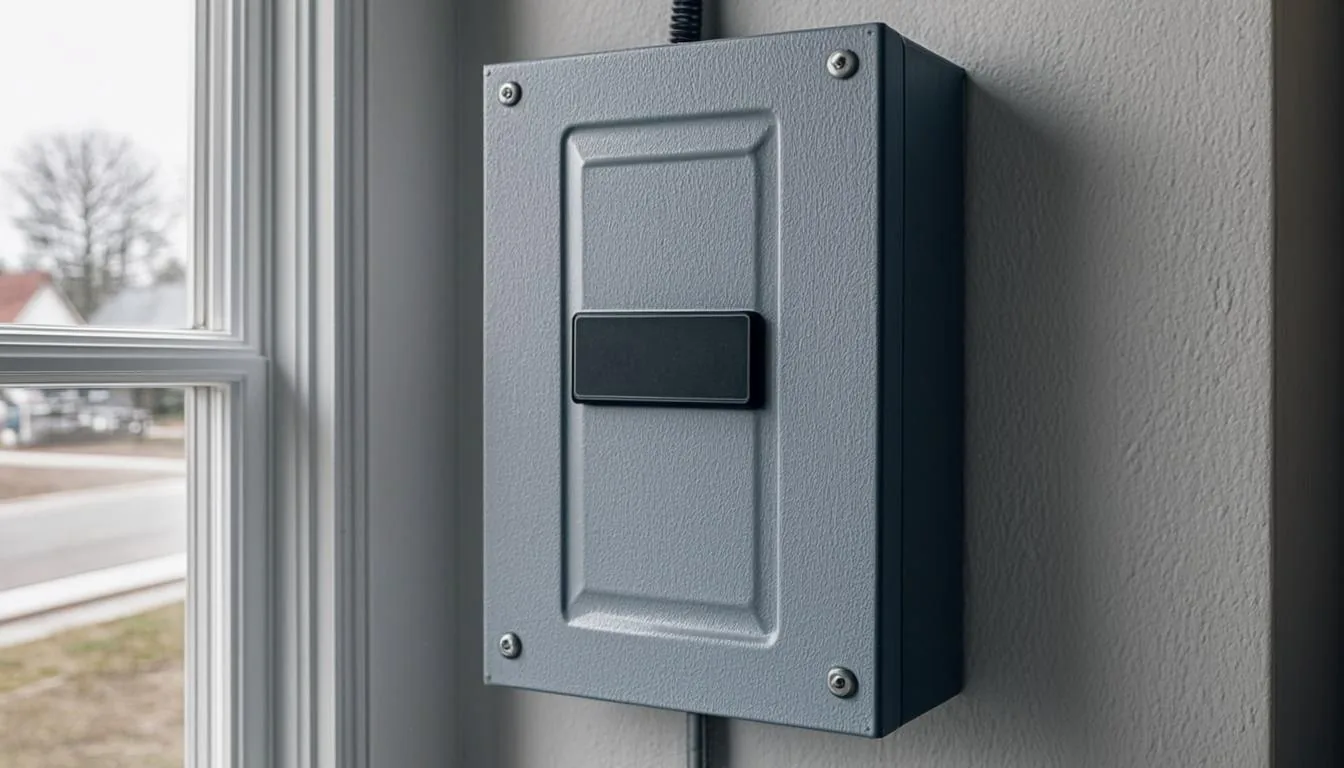
Often yes, and a load calculation decides it in minutes. Where a 100 amp service fits, and where it does not.
Read the guide
Not every EV charger needs 200 amps. What the bigger service actually buys, and when it is worth it.
Read the guide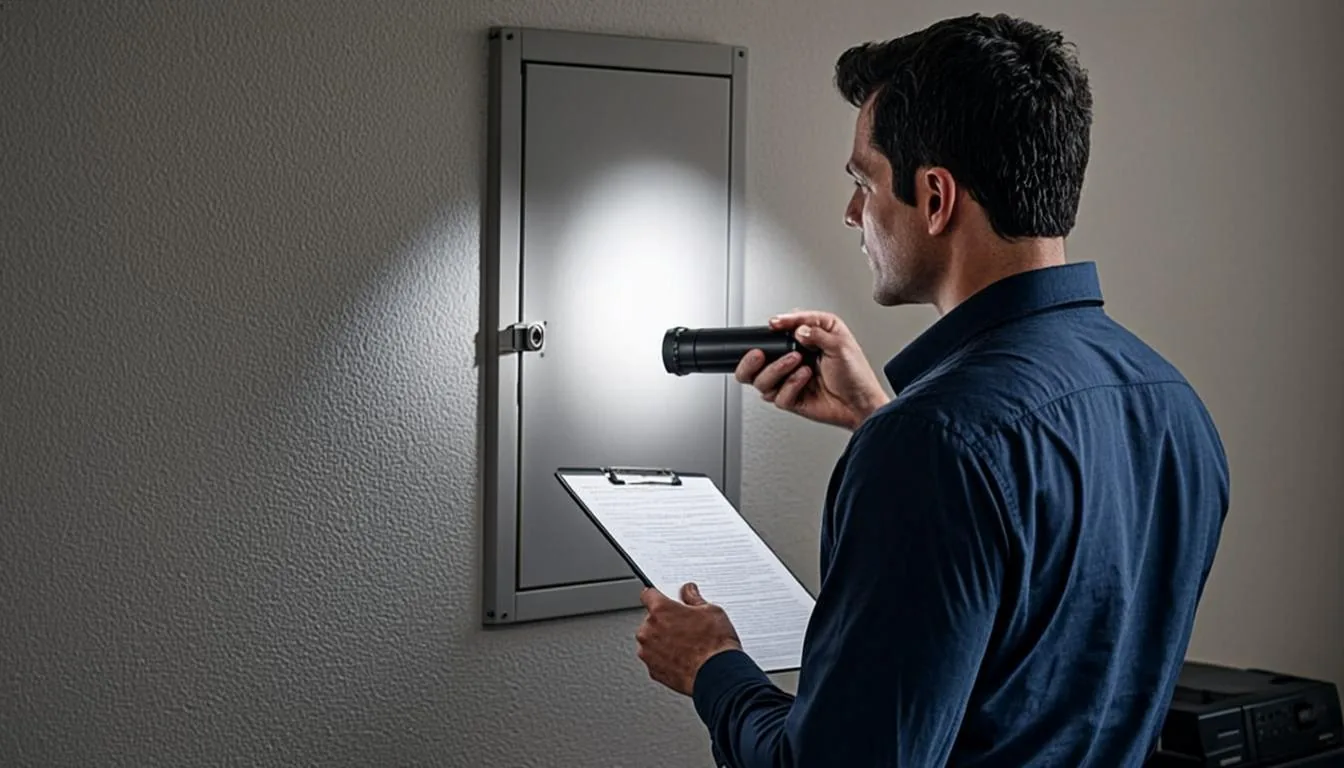
Panel rating, main breaker, existing loads and condition: the four checks behind a confident answer.
Read the guide
The quiet step behind every safe charger install: what a load calculation measures and why it comes first.
Read the guide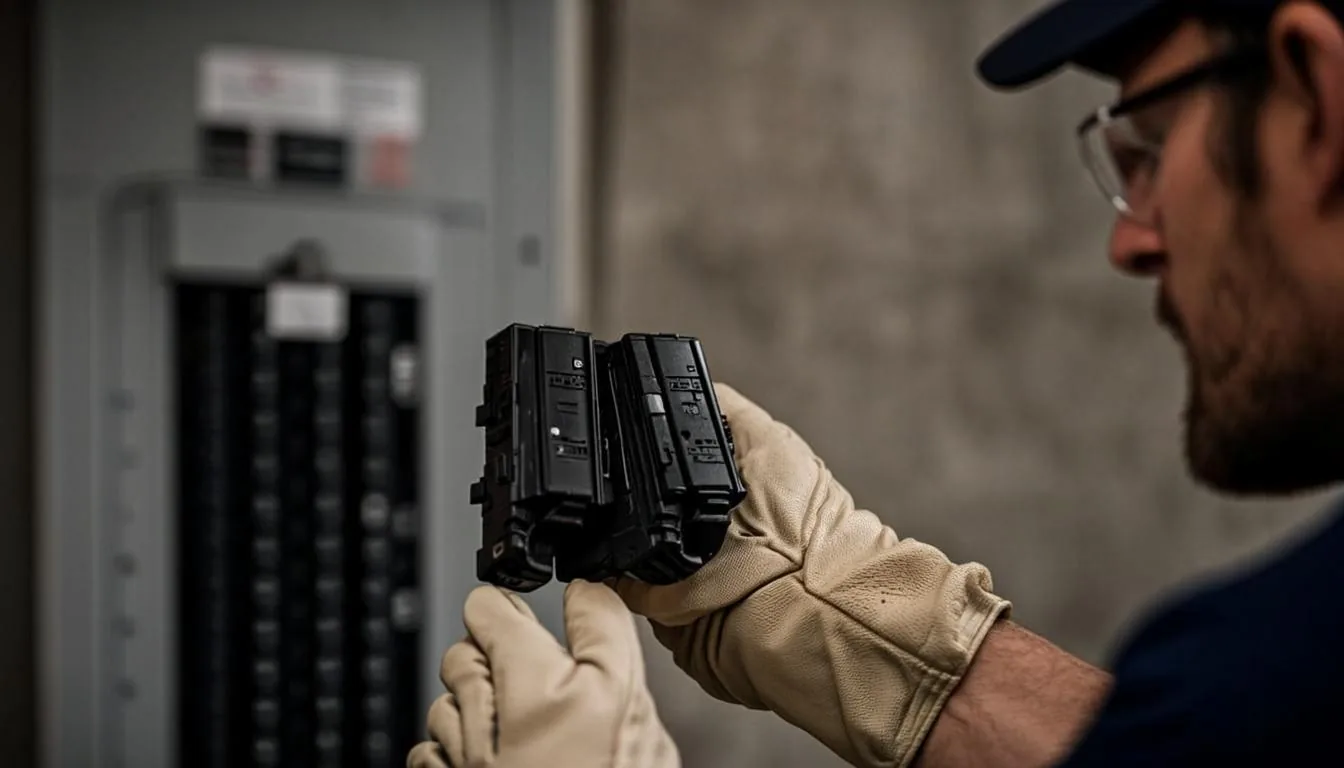
The 125 percent continuous-load rule maps every charger output to its breaker, with one caveat per panel.
Read the guide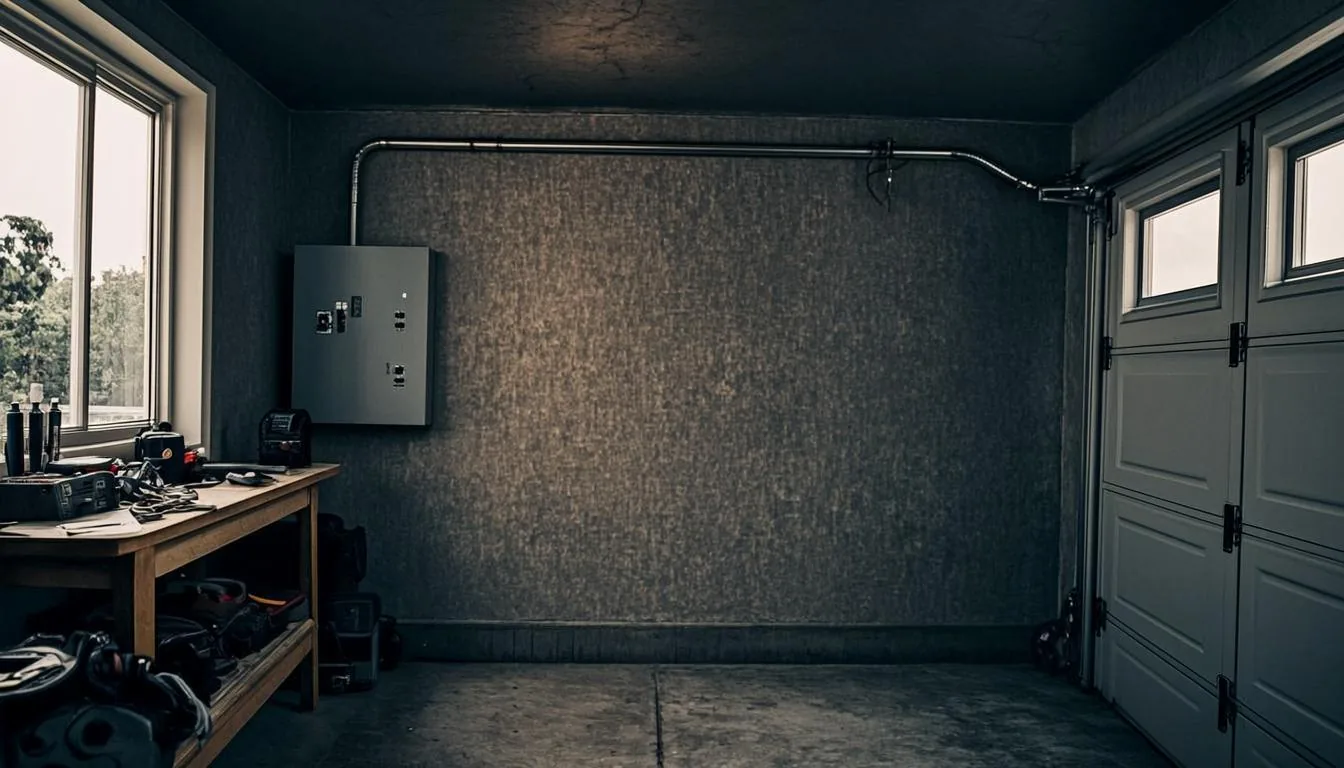
Sometimes the panel you have is fine. How dedicated circuits and load management stretch existing capacity.
Read the guide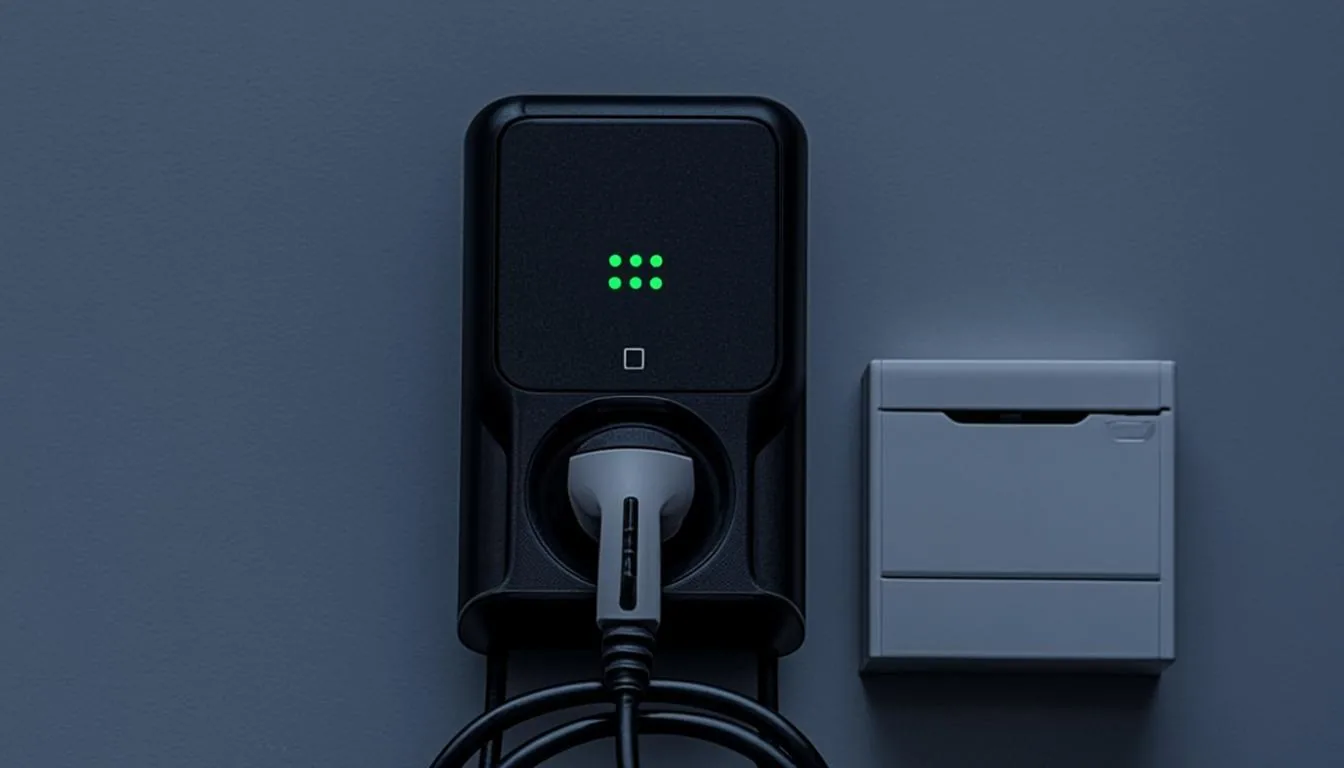
How charging equipment tracks household demand and shares capacity, explained without the jargon.
Read the guide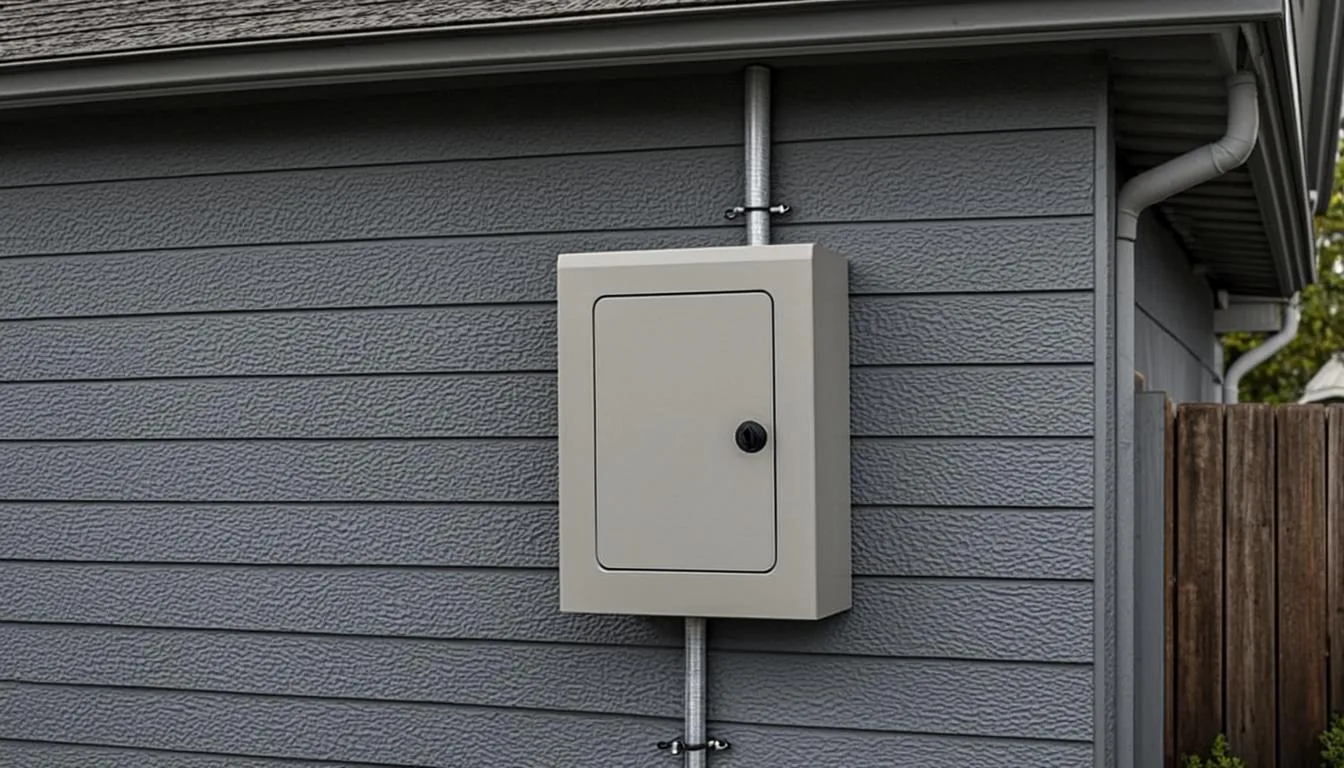
A garage subpanel can be the clean route to a charging circuit. When it beats working in the main panel.
Read the guidePanel Upgrades and Service Capacity
No sticker price, a clear structure: the seven cost drivers behind a panel upgrade estimate in Washington.
Read the guide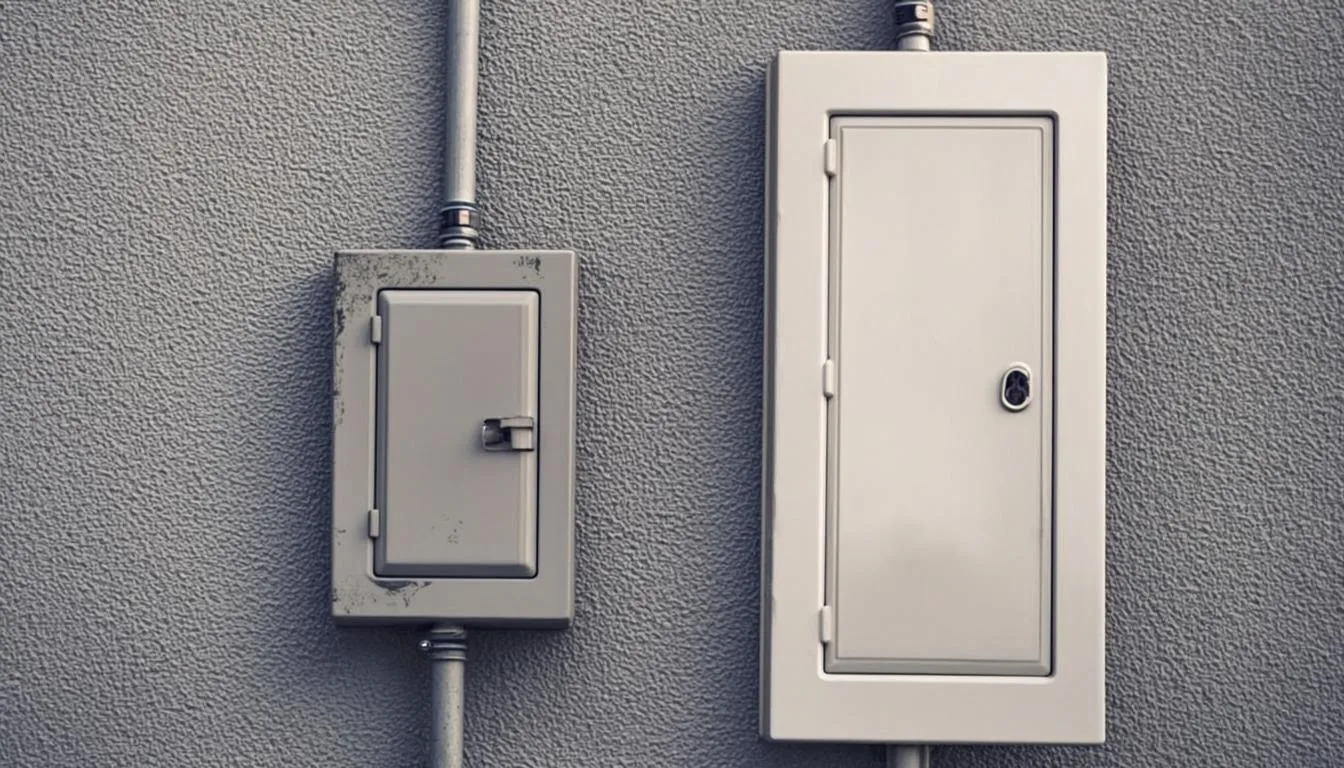
Same house, two service ratings. What changes, what does not, and where EVs and heat pumps tip the math.
Read the guide
Breakers, heat, corrosion and capacity: reading the signals, and when replacement beats repair.
Read the guide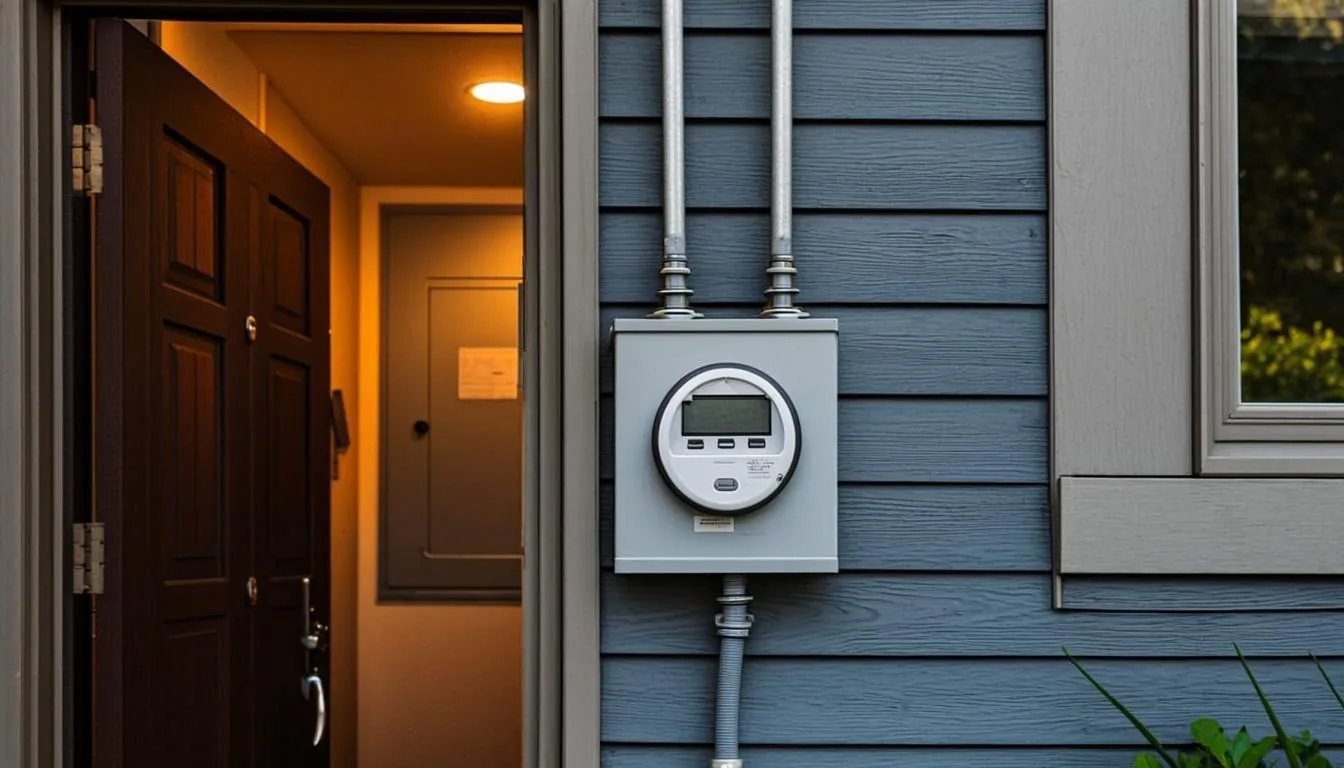
They sound interchangeable. One swaps the panel; the other rebuilds the connection to the grid.
Read the guide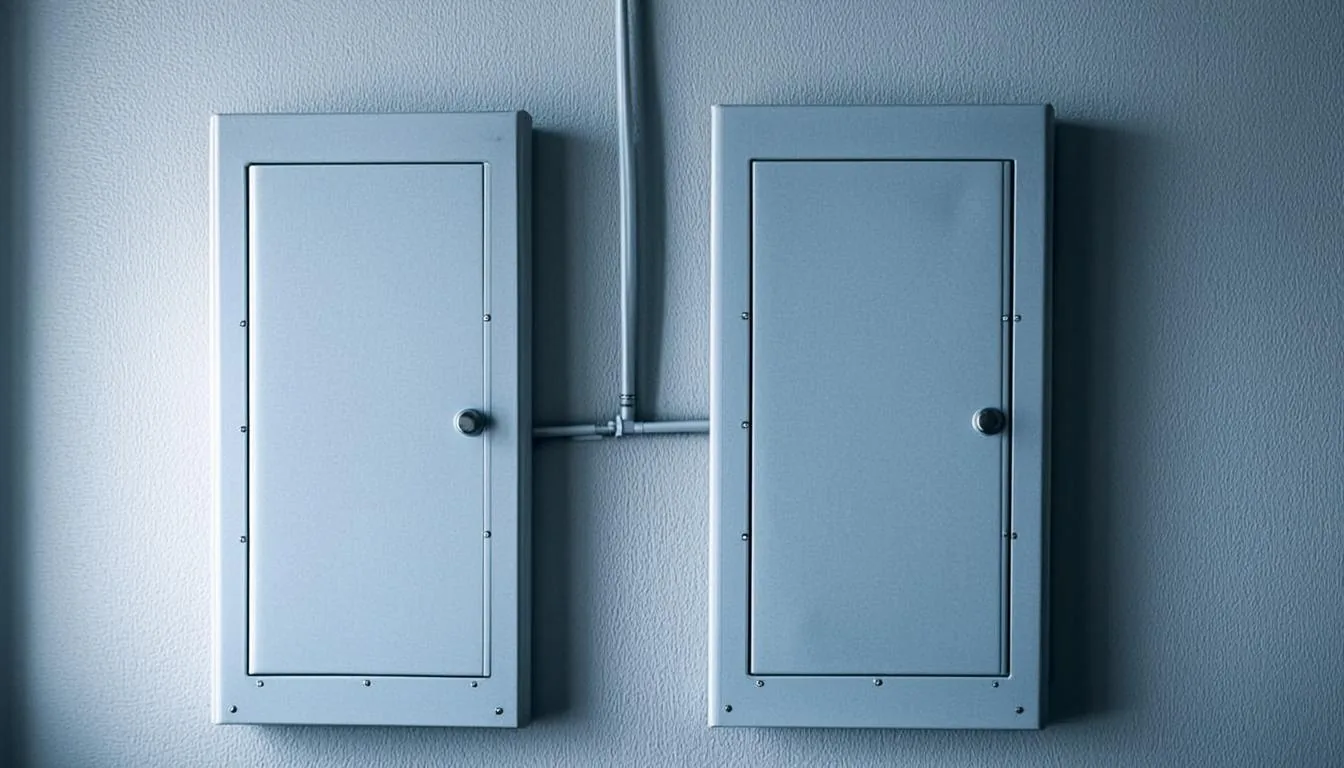
One is the brain, one is a branch office. How the two boxes divide the work in a modern home.
Read the guide
From the first load calculation to the L&I final: the eight stages of a capacity upgrade, in order.
Read the guide
EV today, heat pump next year, solar someday. Panel decisions that keep future projects cheap.
Read the guideWashington Permits, Utilities and Incentives
In Washington, the electrical permit almost always comes from L&I, not city hall. What that means for your install.
Read the guide
Panel work is permit work in Washington. The framework, the inspection, and the utility piece.
Read the guide
Two utilities share this map. Why the answer changes by address, and how to check yours in a minute.
Read the guide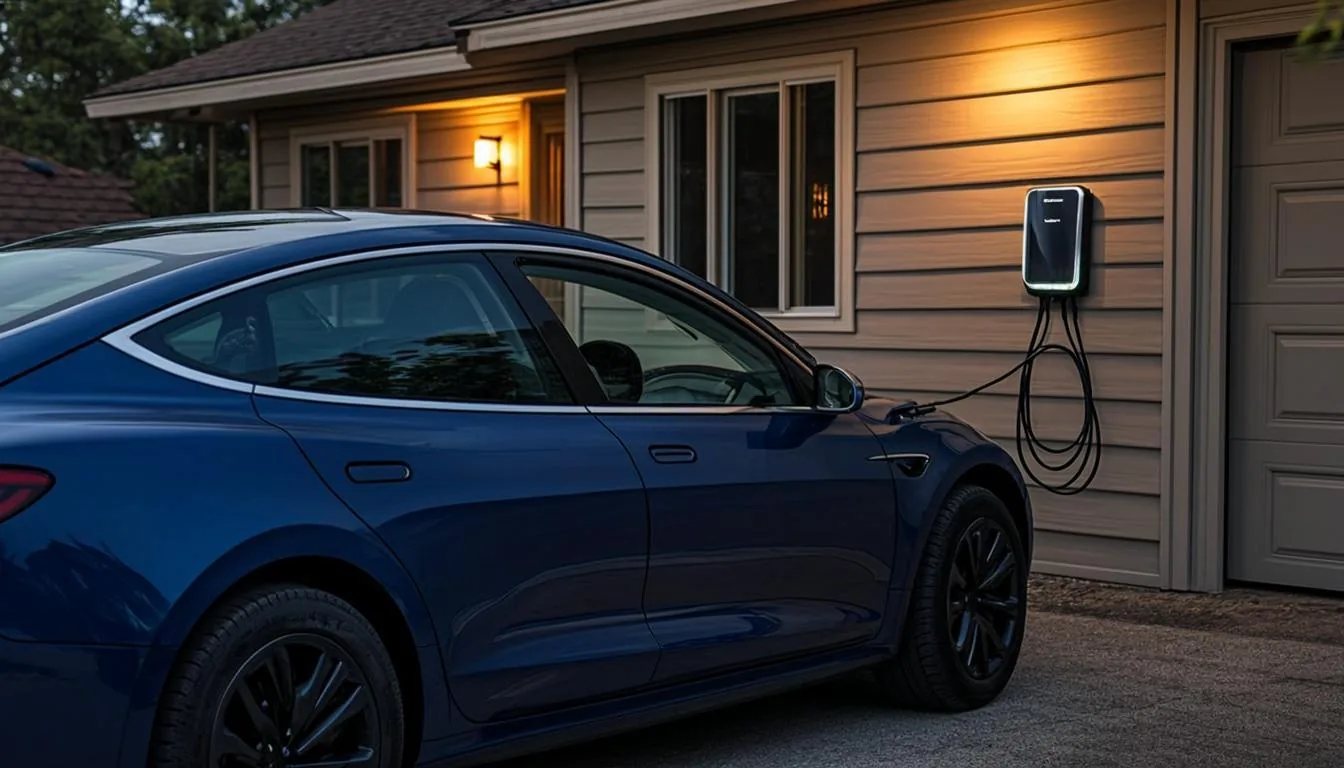
Utility rebates exist, but programs move. What is active, what ended, and how to verify before you buy.
Read the guide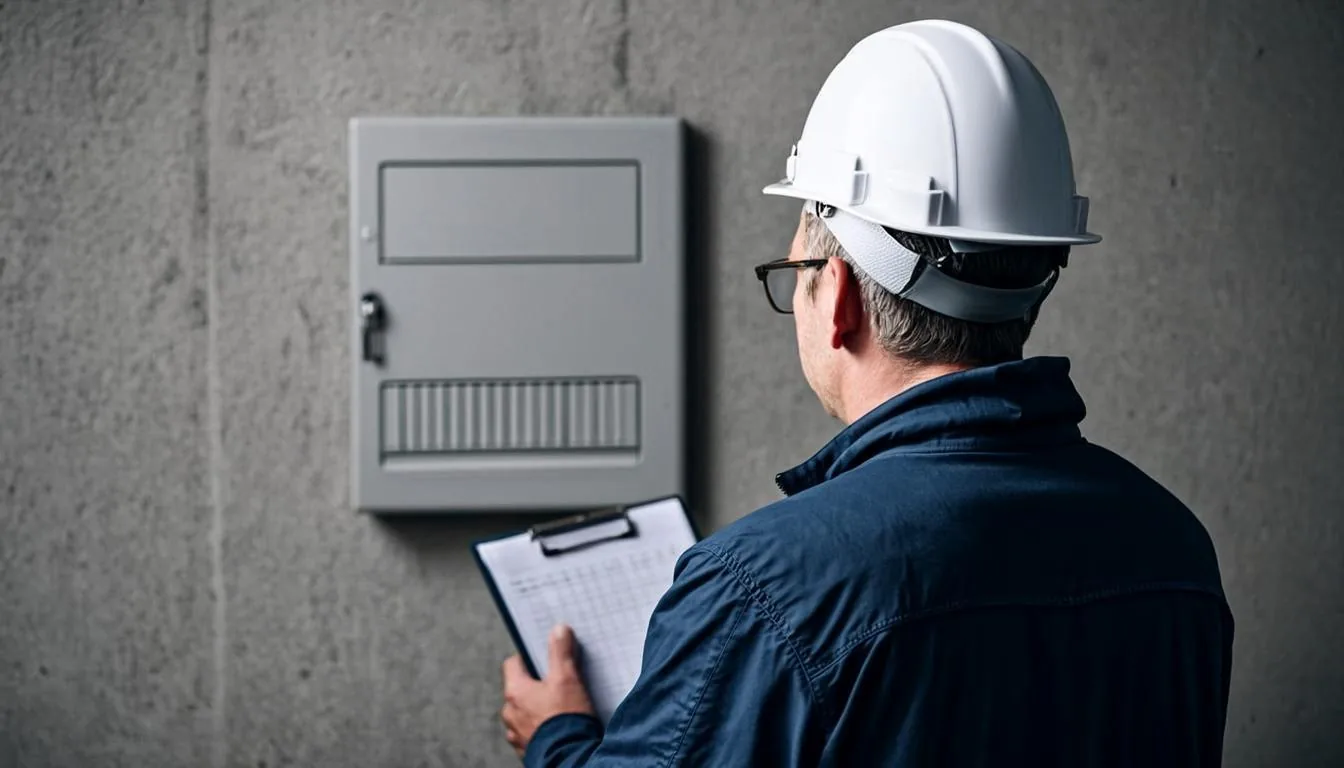
The last step of every permitted job: what the inspector looks at and how sign-off works.
Read the guide
License, bond, insurance: how to verify all three through the state before anyone touches your panel.
Read the guideCharging by Property Type
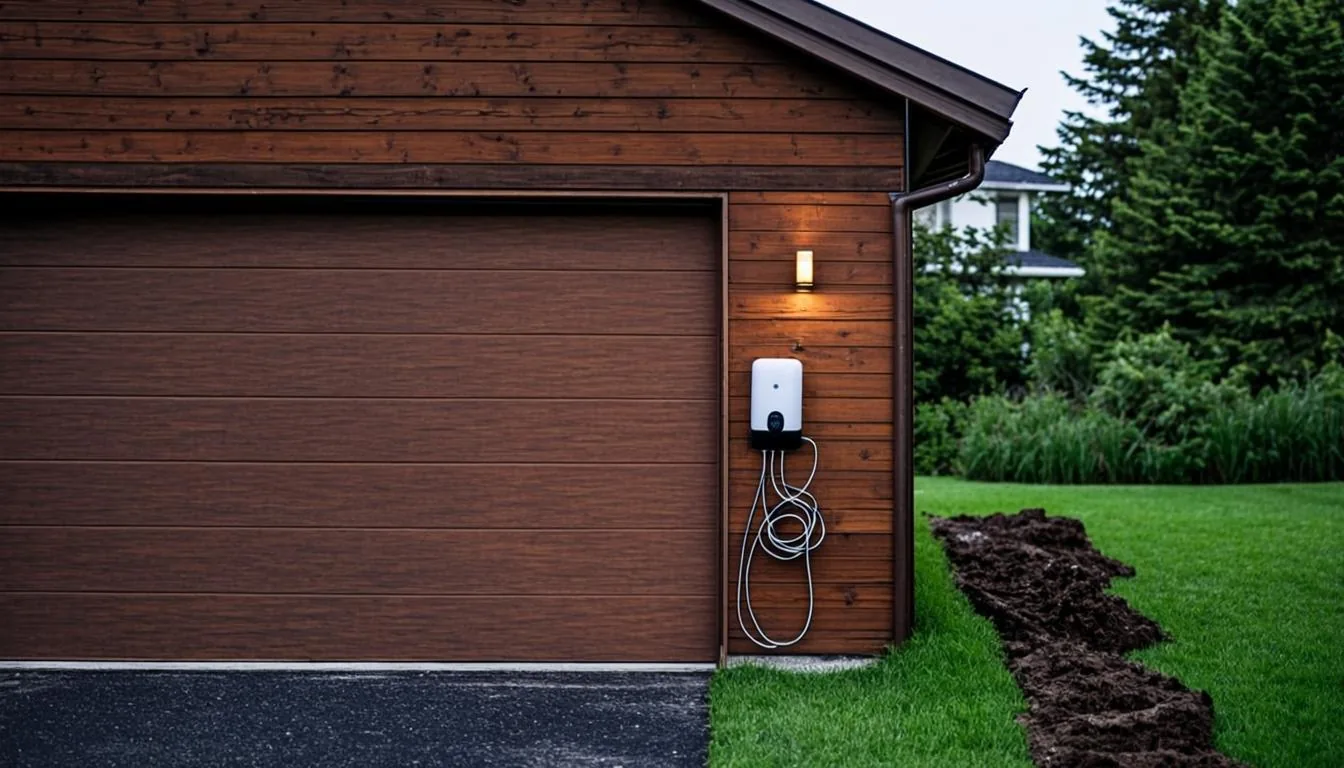
Trench, feeder, subpanel, charger: the project shape when the garage has its own four walls.
Read the guide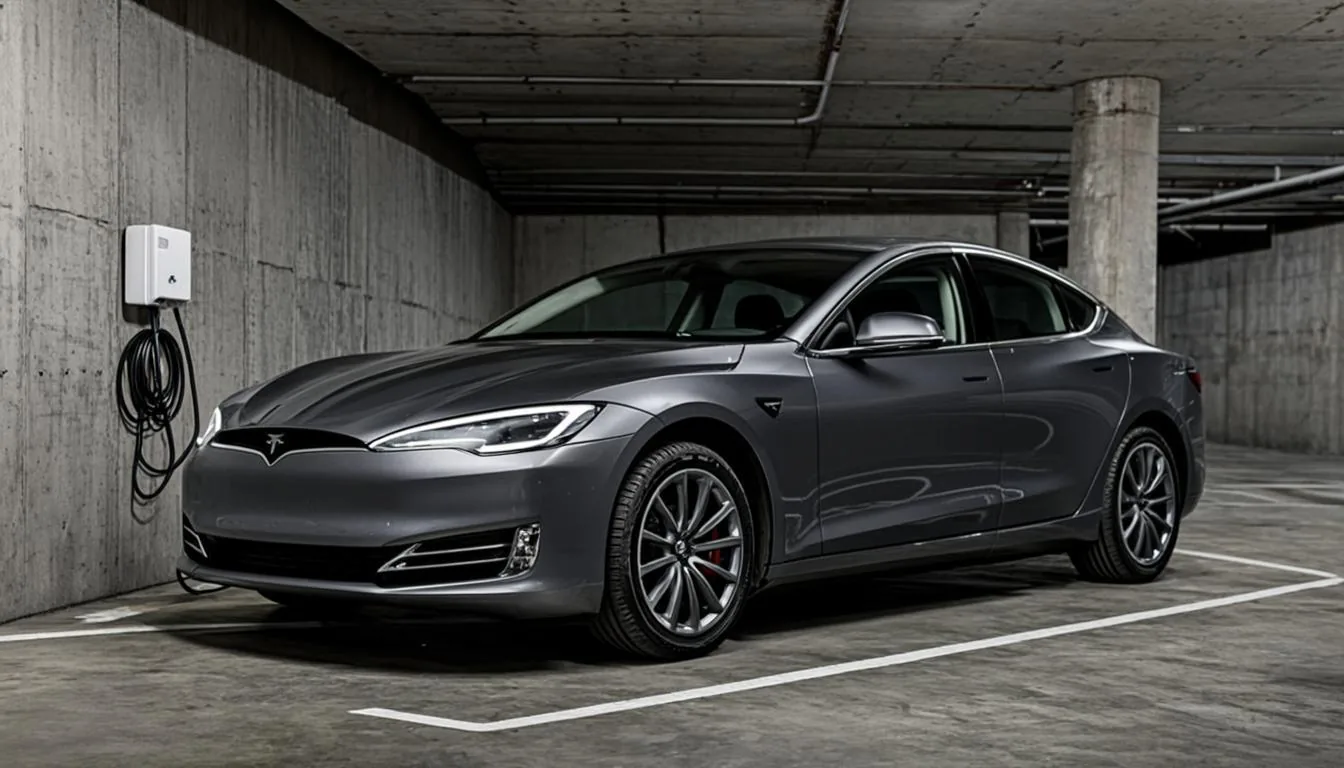
Charging where you rent or own a condo: how multifamily buildings split circuits, costs and decisions.
Read the guide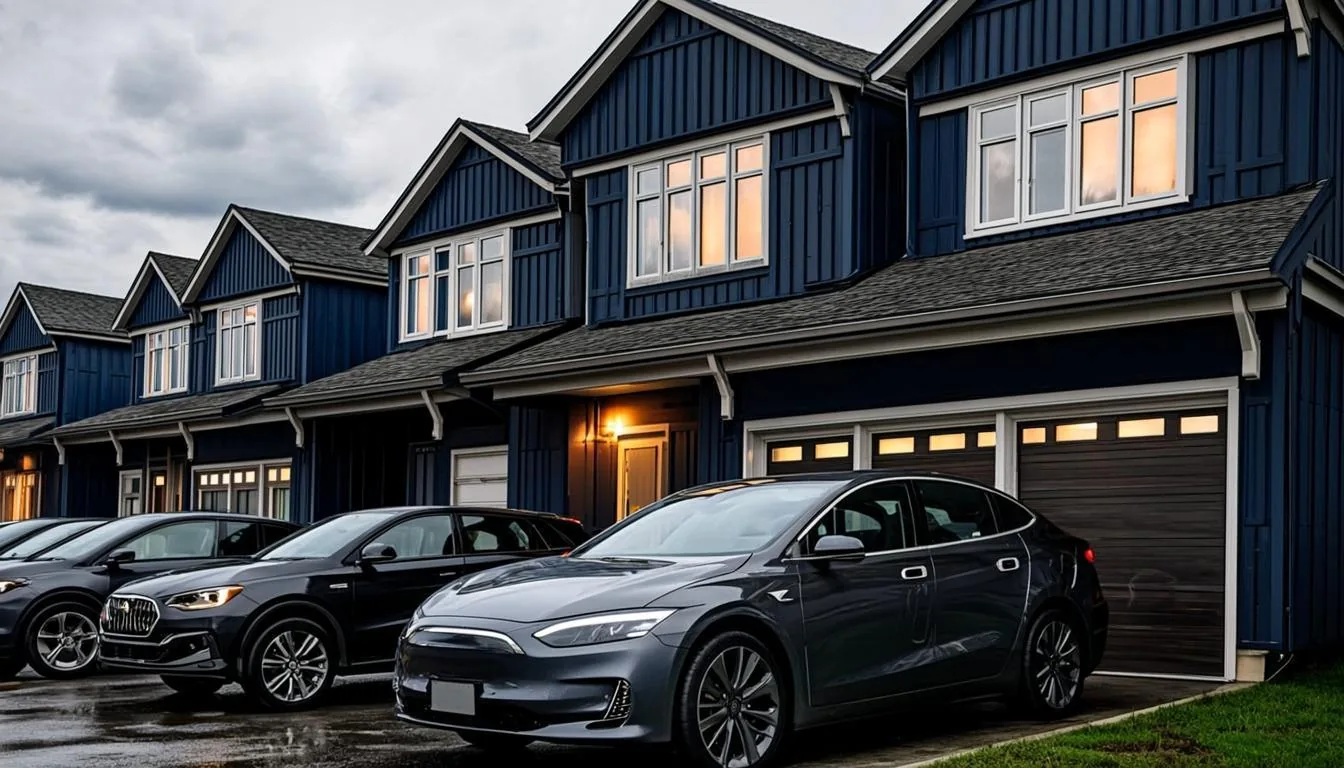
Shared walls, small panels, HOA sign-off: townhome charging is a planning exercise. Here is the sequence.
Read the guide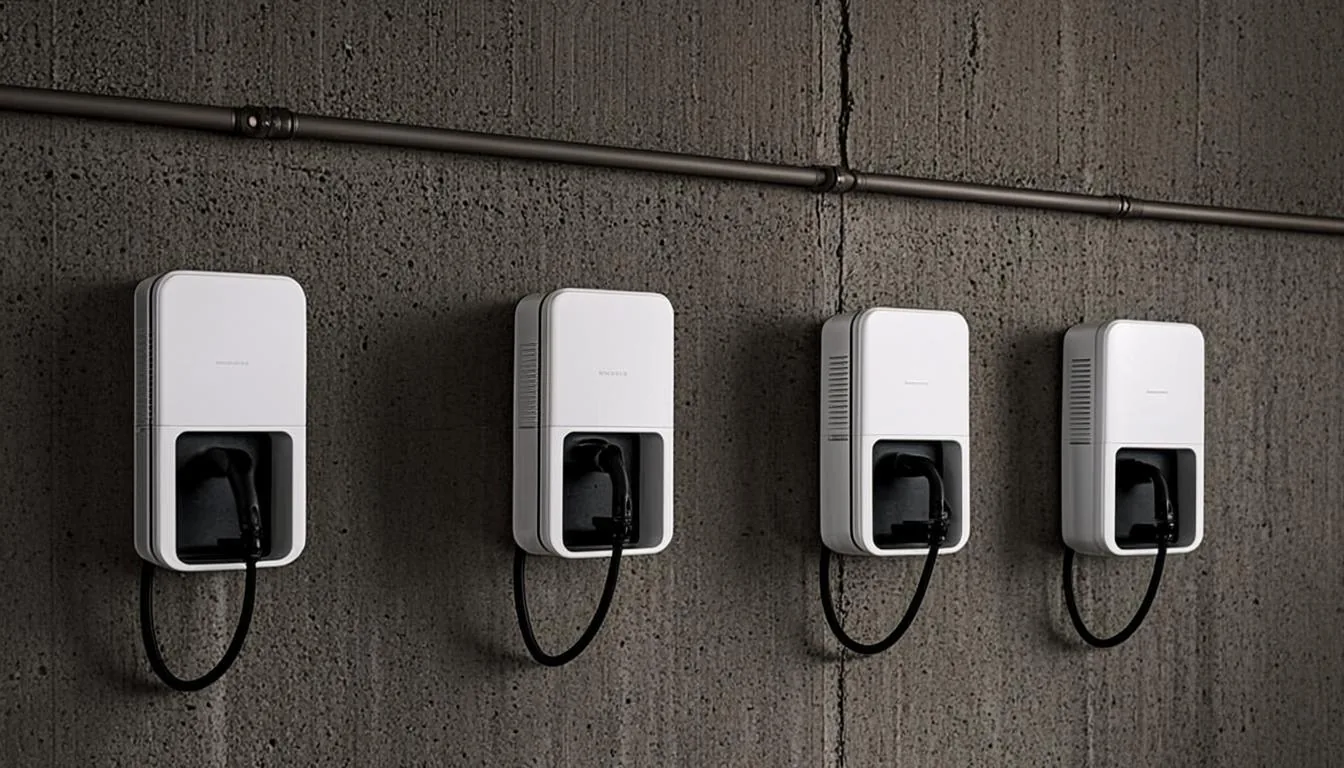
One panel, six chargers, no tripped breakers: how load management scales charging in multifamily buildings.
Read the guideBring us the vehicle, the panel and the plan, and we will bring the scope, the permit and the crew.