It's today & We're Always Open! Call (425) 285-8045
Wall-mounted home EV charging unit with charging cable in a Bothell, WA garage

Tesla Wall Connector Installation in Bothell, WA

Mounting, dedicated circuits, configuration and commissioning, done to Tesla's installation instructions.

Tesla Wall Connector installation in Bothell, WA is a service built for homeowners who already own, or have on order, a Tesla and want the charger wired in correctly. The Wall Connector is a hardwired Level 2 charger, a 240-volt charging unit mounted on a wall and fed by its own circuit, so the electrical work matters as much as the device itself.

Because the device is already chosen, this page stays practical: requirements, placement, and how the job runs from panel evaluation to final testing. A Tesla home charger that is bought but not installed is just hardware; the goal is a finished, working setup.

Device overview

What Is a Tesla Wall Connector?

Wall Connector at a Glance

Tesla's home charging unit, the Wall Connector, is wall mounted, hardwired, and designed for daily charging indoors or out. It communicates with your vehicle during a session, and commissioning, the setup step where output is matched to the circuit, tailors it to your home. That flexibility runs through this entire page.

Home Charging Capabilities

As a Level 2 charger, the Wall Connector refills daily driving in a few hours and handles a full overnight charge easily, far faster than a standard wall outlet. Speed follows the circuit configuration: a higher amperage setting delivers more power, a lower setting charges more gently. Either way, the car starts every morning full, which is the everyday appeal of Tesla charging at home.

Wall Connector vs. Mobile Connector

Tesla's Mobile Connector is the portable cord that plugs into ordinary outlets and charges slowly, which makes it a backup rather than a daily driver. The Wall Connector is its permanent counterpart: faster, wall mounted, always ready. Our guide to the Tesla Wall Connector vs. Mobile Connector compares the two in detail.

Compatible Vehicles

Every current Tesla model charges from a Wall Connector: Model S, Model 3, Model X, and Model Y. A universal version can also serve non-Tesla EVs, useful when a household runs more than one electric car. Mention your vehicles during the estimate so mounting height and cable reach suit all of them.

Power requirements

Electrical Requirements for a Tesla Wall Connector

Circuit and Breaker Sizing

Breaker sizing here is never a single number. Tesla documents maximum output on a double-pole 60 amp breaker, the two-slot type used for 240-volt appliances, and the same unit supports lower-amperage breakers so it can work with almost any existing electrical system. The correct rating follows the configuration set during commissioning, per Tesla's Wall Connector installation guidance and the Wall Connector installation manual.

Dedicated Circuit

A dedicated circuit means the breaker and wiring serve only the Wall Connector, with no other outlets or appliances on the line. Tesla's instructions call for that arrangement, and code expects a charging circuit to run at full draw for hours, not for minutes. Planning starts from both facts.

Wiring and Connections

Conductors run from the panel to the mounting location, sized for the breaker configuration and the actual distance involved. Connections are made at the unit after mounting, following the wiring requirements Tesla publishes for each configuration. Longer runs get particular attention, since undersized wire over distance wastes power and works the circuit harder.

Existing Panel Capacity

Before wire is pulled, the panel needs a vacant breaker slot, capacity for the new continuous load, and room for clean cable routing. Plenty of Bothell homes already qualify. Others begin with a load calculation, a structured comparison of the home's total demand against the panel's rating, and that result shapes the project.
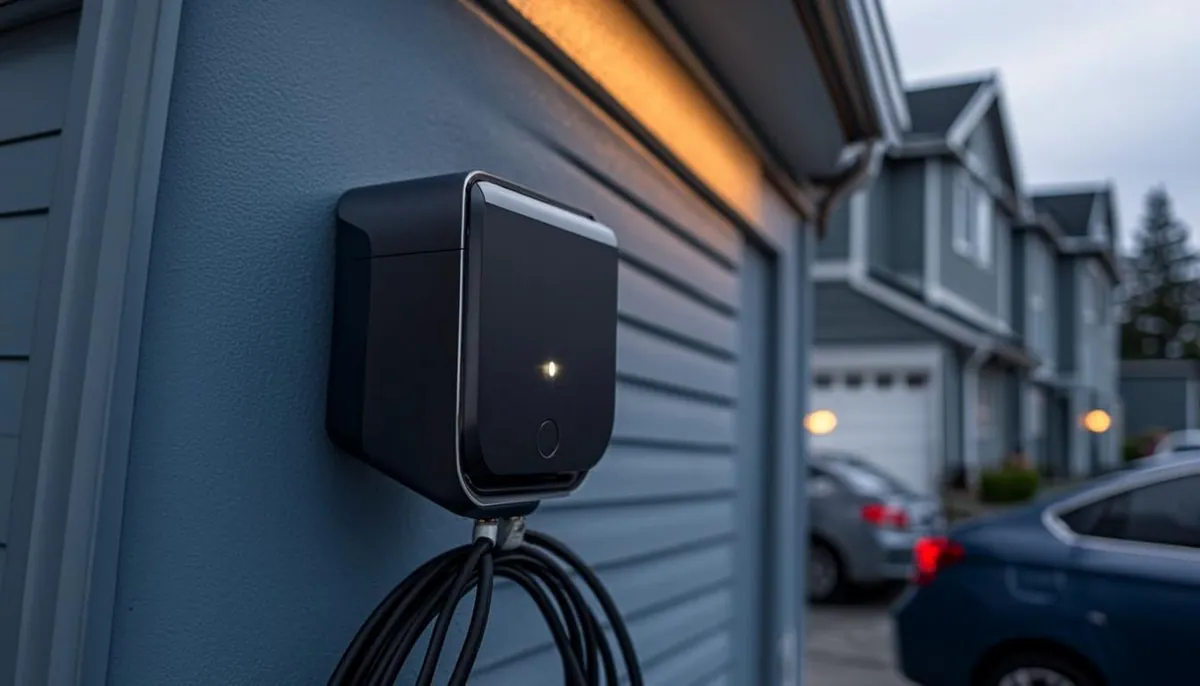
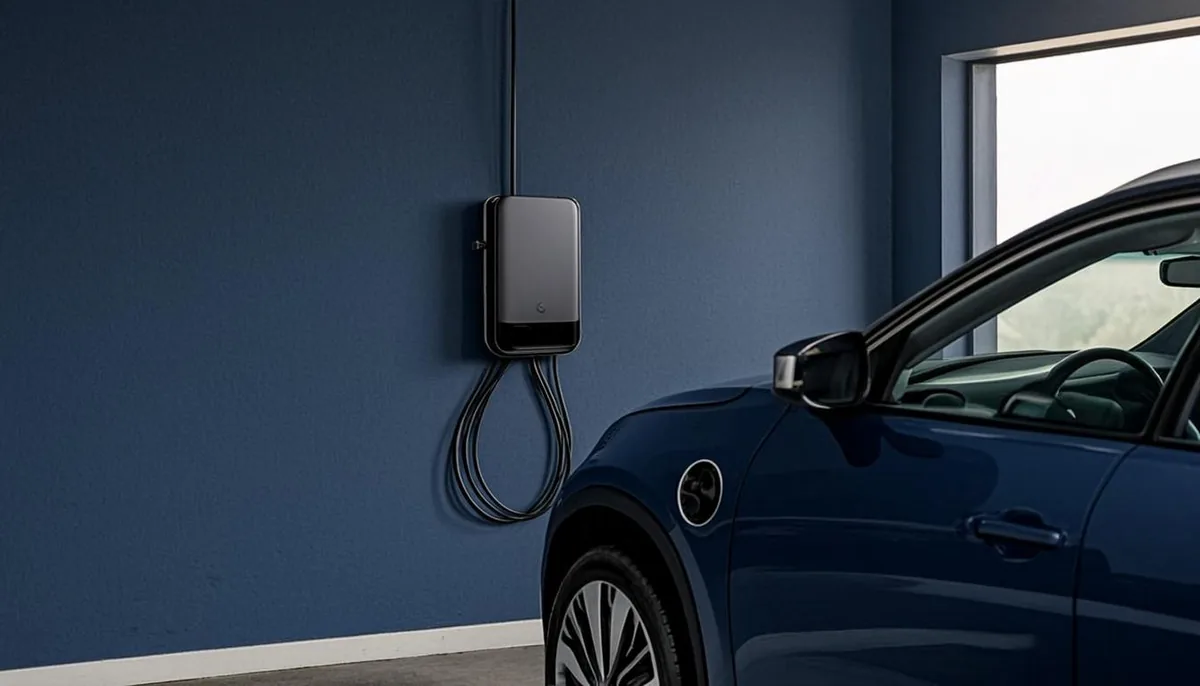
Wall-mounted charger above a dedicated conduit run in a residential garage
A clean dedicated circuit run, sized for the Wall Connector configuration it feeds.

Placement

Where We Install Wall Connectors

Attached Garages

Attached garages are the simplest setting: the panel is usually close, the wall is dry, and the cable reaches the car easily. Most of these projects come down to a sensible mounting spot and a tidy circuit run from the panel.

Detached Garages

A detached garage adds distance, and sometimes a panel of its own. If the outbuilding has power, we check whether it can carry the charger; if not, a feeder or subpanel may be the cleaner path. We handle subpanel installation in Bothell as part of the same project.

Exterior Walls

Driveways without garages are common, and the Wall Connector is built for outdoor mounting. Exterior work concentrates on placement: weather exposure, cable reach to the charge port, and a wiring method protected by conduit wherever the run leaves the building envelope.

Long Wiring Runs

Long runs deserve a plan, because distance costs both material and voltage. Larger conductors offset the length, and the route matters as much as the footage: a path through unfinished space is simpler and cheaper than one through finished walls. Expect to walk the route with us before quoting.

Panel readiness

Does Your Panel Support a Tesla Wall Connector?

Every installation starts at the panel, because that answer decides everything downstream. An evaluation covers the amperage rating, open breaker slots, condition, and the loads already running in the home, from heating to the dryer and range. A load calculation then compares the home's total demand with what the service can safely deliver.

The result points to one of three paths. A dedicated circuit works when the panel has headroom. Load management built into the Wall Connector lets the unit share capacity with the rest of the house by adjusting its own output. A panel upgrade enters the plan only when the calculation shows the service genuinely cannot support charging, in which case a upgrade from 100 to 200 amps is planned alongside the charger. The same evaluation anchors every EV charger installation in Bothell we take on.

Workflow

Our Tesla Wall Connector Installation Process

  1. Site and device assessment. We confirm which Wall Connector version you have, then walk the property with you to settle on a mounting location and cable route.
  2. Circuit planning. Breaker configuration, conductor size for the distance, and a wiring method suited to your home's construction get locked in here.
  3. Panel capacity evaluation. A load calculation confirms the panel can carry the new continuous load and points to a dedicated circuit, load management, or an upgrade.
  4. Wiring route selection. We map the cleanest path from panel to charger, favor unfinished spaces where possible, and confirm conductor sizing for the actual run length.
  5. Mounting and electrical connections. The unit is mounted at a practical height, wiring is connected per Tesla's instructions, and the breaker is set to match the planned configuration.
  6. Configuration and functional testing. During commissioning we set the output amperage, connect the unit to Wi-Fi for monitoring if you want it, and run a test charge with your vehicle.
  7. Inspection when required. Permits are pulled through Washington L&I, and when an inspection applies we meet the inspector and hand over a finished, documented installation.

Budgeting

Tesla Wall Connector Installation Cost in Bothell

The cost of a Tesla Wall Connector installation in Bothell depends on the home more than the device. Location sets the baseline: a garage wall near the panel is the simplest case, while a detached building or exterior mount adds material and labor. Panel distance matters because longer runs need more conductor, and the wiring route can compound that when access is tight. Circuit work, meaning the new breaker and dedicated circuit, is core scope in every quote. Panel capacity affects the total only when the load calculation shows an upgrade is genuinely needed. Permit and inspection handling through Washington L&I is part of the project. Expect a written, itemized estimate before work is scheduled.

Typical Tesla Wall Connector installation in BothellRange*
Straightforward install: healthy panel near the parking spot, short conduit run$700-$1,200
Typical all-in project: hardware, labor and permit, 20-40 foot run$1,200-$2,000
Complex projects: older homes, detached garages, trenching, or panel upgrades$2,500-$3,500+

These tiers follow current market data for Wall Connector work: straightforward installations run $700 to $1,200, the typical all-in project with hardware and permit lands between $1,200 and $2,000, and complex projects with trenching or panel upgrades reach $2,500 to $3,500 or more. Where capacity work enters the scope, the 100 amp to 200 amp upgrade pricing applies. Your written estimate after the site visit settles which tier your garage is in.

Our difference

Why Choose Us for Tesla Wall Connector Installation?

Commissioning Done to Tesla's Instructions

Commissioning is the step that separates a Wall Connector installer who knows the device from a general install. We set the breaker configuration and output amperage to match your panel and the unit's settings, following Tesla's published instructions rather than habit. No universal breaker number exists, so the value we set is documented and explained to you before the car's first charge.

Available 24 Hours, Quoted in Writing

Charging questions do not keep business hours, so the shop answers calls around the clock. Estimates arrive in writing with the circuit plan, breaker configuration, and route spelled out before anyone touches a wall. You will know what the job involves and why each piece is there, whether it is a simple garage circuit or one that includes panel work.

Answers

Frequently Asked Questions

How much does Tesla Wall Connector installation cost in Bothell?

Costs vary with the home, not the device. Location, panel distance, wiring route, circuit work, panel capacity, and the permit all move the number: straightforward installs typically run $700 to $1,200, while a typical all-in Wall Connector project with hardware and permit lands between $1,200 and $2,000. We quote after seeing the site. Request a written estimate and you will get an itemized price for your specific installation.

Can a Tesla Wall Connector go in my garage?

Yes, and an attached garage is the most common location we install. The unit mounts on the wall near where you park, runs on its own dedicated circuit, and keeps the cable within easy reach of the charge port. Detached garages work too, with the circuit planned around the longer run.

Does a Tesla Wall Connector need a dedicated circuit?

Yes. Tesla's installation instructions call for a circuit dedicated to the unit, and charging counts as a continuous load under the code. The breaker size on that circuit follows the Wall Connector configuration set during commissioning, which is why it is confirmed for your home rather than copied from a chart.

Can a Wall Connector work with a 100 amp panel?

Often, yes. The unit supports lower-amperage breakers and includes automatic load management, so it can share a 100 amp panel when the load calculation shows enough headroom. If the calculation comes up short, a upgrade from 100 to 200 amps is the fix, and we evaluate that before quoting.

Can a Tesla Wall Connector be installed outside?

Yes. The Wall Connector is rated for outdoor installation, and driveway setups without a garage are common. Exterior jobs focus on mounting placement, weather exposure, cable reach to the charge port, and a wiring method protected by conduit where the run leaves the building.

Do Tesla Wall Connector installations require permits in Bothell?

Yes. The permit path runs through Washington L&I, which also inspects the finished charger setup; Bothell's own Permit Center. We handle the filing and scheduling, so permit paperwork never lands on your plate.

Choosing the device is the hard part; installing it right is ours. From the first panel evaluation to commissioning day, every step follows Tesla's instructions and the code your home is inspected under. Tell us where you want to charge, and we will plan the circuit around that spot.

Call (425) 285-8045 to talk through your setup, or request a Tesla Wall Connector installation estimate for your Bothell home.

From Load Calculation to Final Inspection

One team carries your project through every stage, including the L&I paperwork. Calls are answered day and night, weekends included.

Call NowGet Quote