It's today & We're Always Open! Call (425) 285-8045
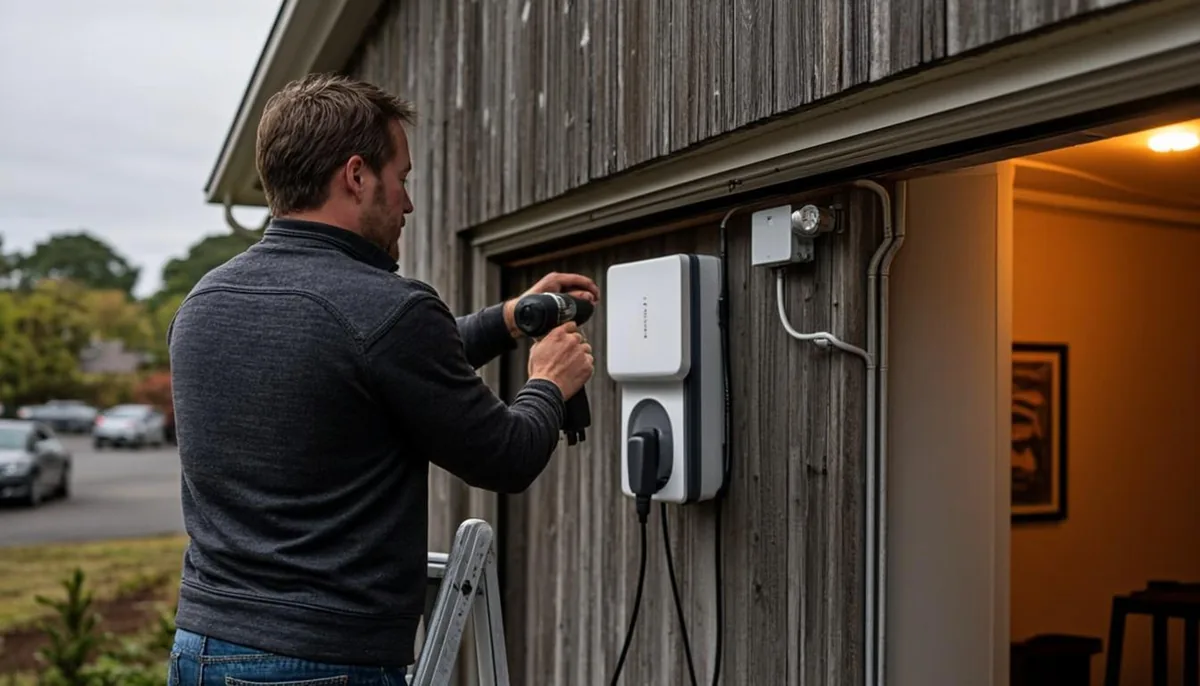
Electrician mounting a home EV charger on a garage wall in Bothell, WA

EV Charger Installation in Bothell, WA

Level 2 chargers, Tesla Wall Connectors and dedicated 240V circuits, installed by a licensed Washington electrical contractor with a load calculation first.

Planning an EV charger installation in Bothell, WA starts with the electrical system, not the box on the wall. This page walks through the service: Level 2 charging equipment, dedicated 240-volt circuits, panel capacity checks, placement, permits, and testing.

Homeowners use it two ways: as a guide to what happens during a professional install, and as a checklist for comparing bids. Every EV charger installation in Bothell, WA we complete follows the same order: assess, plan, install, permit, test. The load assessment is the step that protects your panel and your budget.

What Is a Level 2 Home EV Charger?

Level 1 vs. Level 2 Charging

Every EV can charge from a plain wall outlet, but the two charging levels perform very differently. Level 1 plugs into a standard 120-volt outlet and adds roughly 5 miles of range per hour of charging. A Level 2 charger, a 240-volt unit on a dedicated circuit, adds approximately 25 miles of range per hour, according to the U.S. Department of Energy's Alternative Fuels Data Center.

Charging at homeLevel 1Level 2
Voltage120 V, standard outlet240 V, dedicated circuit
Range added per hourAbout 5 milesAbout 25 miles
Circuit needsExisting outletNew 240-volt circuit from the panel

How Level 2 Charging Works

The charging unit does not build range; it delivers 240-volt AC power, and the vehicle's onboard charger converts it for the battery. The wall unit monitors temperature and reports session data. Wiring matters most: the electrical code rates EV charging as a continuous load, so the circuit must be sized for hours of sustained demand.

Common Home Charging Equipment

Three types cover most homes: hardwired wall units, plug-in chargers that connect to a 240-volt receptacle, and manufacturer models such as the Tesla Wall Connector. Hardwired equipment suits outdoor walls and longer cable runs. Plug-in units swap out easily when you upgrade cars. Both mount near the parking spot on a dedicated circuit.

Charging Speed and Electrical Capacity

Speed is a partnership between the charger and the electrical system behind it. A unit can only deliver what its circuit and panel can supply, which is why capacity comes first in our process. Dryers, heat pumps, and shop tools all share the same panel, and the headroom left over decides what a new circuit can carry.

Our EV Charger Installation Services in Bothell

Level 2 EV Charger Installation

This is the core service: a complete Level 2 charger installation from the breaker in your panel to the mounted unit beside your parking spot. We size the circuit, run the wiring, mount and connect the charger, and label the work for the inspector. You can supply your own equipment or ask for recommendations that fit your panel and vehicle.

Tesla Wall Connector Installation

Tesla owners get a dedicated workflow for a hardwired unit that configures its own output current and includes automatic load management, which helps on tighter panels. We handle mounting, the circuit, unit configuration, and a walkthrough of the charging app. The full process is described on our page for Tesla Wall Connector installation in Bothell, so you know what to expect.

Home EV Charging Station Installation

Some homeowners want charging sorted before the new car arrives, and that is the smart order. We plan the whole setup: where the station mounts, which side of the parking area the cable should reach, whether a smart model earns its keep, and how the circuit travels from the panel. The result is home EV charging that fits your routine.

240V Outlet and Dedicated Circuit Installation

Prefer a plug-in charger? We install the 240-volt receptacle and its dedicated circuit instead, sized and grounded for EV use. This route keeps the charger replaceable, simplifies future upgrades, and suits households that change equipment later. Position follows the cable reach of the unit you plan to use. Outlet types and placement details are covered on our page for 240V EV charger outlet installation.

Hardwired EV Charger Installation

Hardwired units connect straight to the circuit with no receptacle in between, which removes a connection point and suits outdoor exposure. Most wall-mounted charging stations are designed for this configuration. We route conduit, the protective tubing that carries the wiring, land the conductors, and seal exterior penetrations. Undecided between plug-in and hardwired? The load assessment usually settles it, because the answer depends on capacity and location.

EV Charger Electrical Load Assessment

Every project starts here. We calculate the existing demand on your panel, compare it with what a charger will draw, and tell you plainly whether there is headroom. Sometimes the answer is a simple circuit addition. Other times, load management or an electrical panel upgrade makes more sense, and we will say so before you spend money on equipment. That calculation, not a sales pitch, sets the scope.
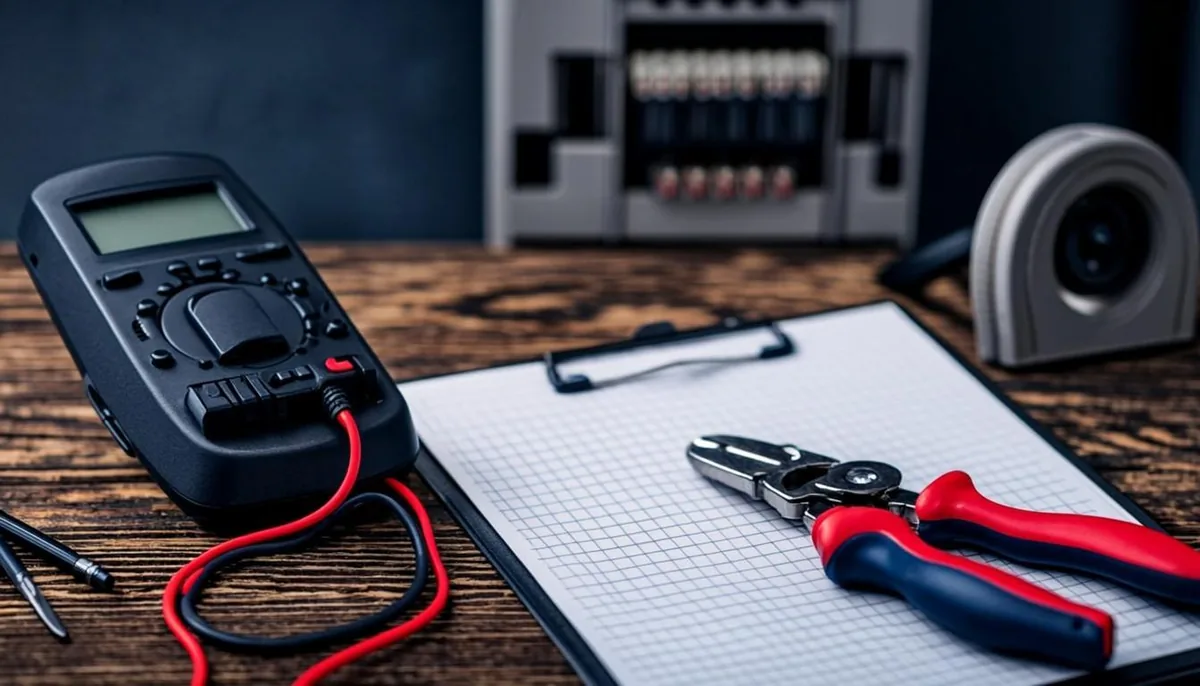
This step is standard on every EV charger installation in Bothell, WA we take on: measured panel data before any equipment is specified. The meter reading comes from a routine capacity check, not a repair call, and it shapes circuit size and placement.

Load assessment notes and a multimeter before an EV charger installation in Bothell, WA
Recording panel capacity before charger design begins.

Choosing Where Your Charger Goes

Attached Garage Installations

Attached garages give the shortest runs, because the panel usually sits in or near the same structure, so the wiring run stays short. Mounting height, cable reach, and where the bumper parks matter more than wiring here. Most attached-garage projects come together with minimal drywall opening and a tidy surface-mounted conduit run.

Detached Garage Installations

Detached garages need a circuit that travels from the main panel to the building, routed along a structure outside. We size the conductors for the distance, check whether the garage's own subpanel can accept the charger, and price the extra material openly in the estimate. Distance does not change the charger's performance when the wiring is sized correctly.

Outdoor Driveway Installations

Driveway mounts live in the weather, so equipment ratings carry the load. Outdoor-rated chargers, weatherproof receptacles where a plug-in unit is used, and sealed penetrations keep the installation dependable through Western Washington winters. Placement also avoids backing over the cable and keeps the unit clear of door tracks and snow shed from the roofline.

Charger Cable Reach and Parking Position

Cable length is fixed once you own the charger, so the mounting point has to match how the car actually parks. Which end of the vehicle holds the charge port, whether two cars share the space, and how close the bumper sits to the wall all decide the spot. We measure the real parking pattern before drilling anything.

Wiring Distance from the Panel

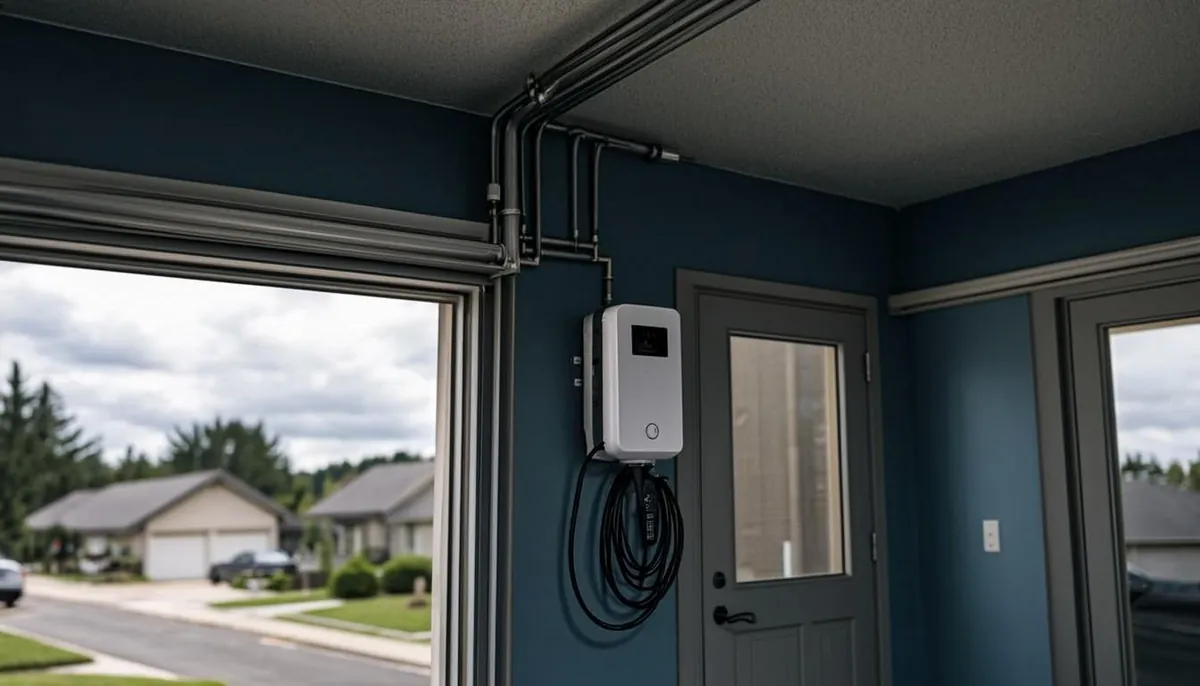
Distance drives both cost and voltage drop. A panel on the far side of the house needs a longer run, more conductor, and careful sizing so the charger still gets full power at the end of the line. Clean conduit routing, like the run pictured here, keeps that wiring protected, tidy, and easy for the inspector to follow.

Neat conduit carrying an EV charger circuit along a garage wall in Bothell, WA
A clean conduit run on a finished charger circuit.

Our EV Charger Installation Process

  1. Initial consultation. You describe the vehicle, daily driving, and preferred charger; we answer early equipment questions and schedule the site visit around your week.
  2. Electrical load evaluation. At your home, we calculate the existing demand on the panel and confirm the capacity available for a 240-volt charging circuit.
  3. Planning and written estimate. You receive the scope in writing: charger location, wiring route, circuit design, permit handling, and price, before any work begins.
  4. Circuit and charger installation. We run the dedicated 240-volt circuit from the panel, mount the charger, make the terminations, and seal any exterior penetrations.
  5. Permit and inspection. Electrical permits for Bothell addresses are issued through Washington L&I; we file the paperwork and schedule the inspection of the finished work.
  6. Testing and walkthrough. We test a full charging session, set up schedules if the charger supports them, and walk you through everyday use before leaving.

What Affects EV Charger Installation Cost in Bothell

Five things move the total. Charger equipment comes first: hardwired versus plug-in, smart features, and cable length all show up on the equipment line. Wiring distance is next, because conductor and conduit costs grow with every foot between the panel and the parking spot. Circuit work matters too; a new dedicated circuit with the right breaker is a larger scope than reusing suitable wiring. Panel capacity shapes the rest: if the load calculation shows the panel near its limit, load management or panel work joins the project. Permit and inspection fees are set by the state, not by us. Want the complete breakdown? Our guide explains how much a home EV charger costs to install.

Typical EV charger installation in BothellRange*
Straightforward garage install: charger mounted near the panel, short dedicated-circuit run$800-$1,500
Complex runs: long conduit paths, finished walls, panel on the opposite side of the home$1,500-$3,500
Washington L&I electrical permit (state-set fee)$100-$300

These ranges track current Seattle-Eastside market data: straightforward installations commonly land between $800 and $1,500, complex wiring runs reach $1,500 to $3,500 or more, and the charging unit itself is priced separately by brand and features. Detached garages that need a feeder or trench sit at the top of the range, and panel capacity work is quoted separately against the panel upgrade pricing. The written estimate after your load assessment remains the definitive number.

EV Charger Installation Challenges Specific to Bothell

Bothell sits in two counties at once, and that shapes the paperwork. Because the city spans King and Snohomish counties, your electric utility depends on the address: homeowners may be Puget Sound Energy or Snohomish County PUD customers, so verify your provider by address through PSE's service location page or Snohomish County PUD's website. Housing is the second factor. The city mixes older homes with newer construction, so available panel capacity varies street by street; a house on one block may have room for a 240-volt circuit while its neighbor needs load management first. Permits are the third. Electrical permits for Bothell addresses are obtained through Washington L&I, as the City of Bothell Permit Center spells out, and we handle that filing as part of the job. None of these are obstacles. They are just parts of any EV charger installation in Bothell, WA that a local installer already plans around.

Why Choose Our EV Charger Installers in Bothell?

Load Calculation First

Capacity comes before equipment. We run a load calculation on your existing panel before recommending any charger, circuit, or upgrade, because some homes have insufficient electric capacity for Level 2 charging while others simply need a circuit added, as the Department of Energy's home charging guidance explains. If the panel is already near its limit, you hear about load management options first, not a bigger project.

Permitted, Inspected, Verifiable

Charger circuits are permitted work in Bothell. We file the electrical permit through Washington L&I and schedule the inspection ourselves; the agency's electrical permits and inspections program checks the work against the 2023 National Electrical Code. The crew works under licensed, bonded and insured Washington State electrical contractor credentials, documented any hour at Washington L&I's VerifySALI contractor lookup.

Reachable Around the Clock

Charging questions rarely wait for Monday morning, so neither do we. Scheduling, estimate follow-ups, and charger questions are handled with 24-hour availability, so evening and weekend conversations are normal here. Estimates arrive in writing with the scope spelled out, which means you can weigh the decision on your own timeline instead of under pressure. If anything is unclear, you ask the person who did the work.

Frequently Asked Questions About EV Charger Installation

What affects the cost of EV charger installation in Bothell?

Five factors: charger equipment, wiring distance, circuit work, panel capacity, and the permit. A charger mounted near the panel, with room in the load calculation, sits at the simple end. Long conduit runs, tight panels, and detached garages add scope. Current market ranges run $800 to $1,500 for straightforward garage installs and $1,500 to $3,500 for complex circuits, with the charging unit priced separately and the permit at its state-set fee. We price the whole job in a written estimate after the site visit.

How long does an EV charger installation take?

It depends on wiring distance, panel capacity, and whether a new dedicated circuit is needed. Because the load evaluation happens before the estimate, you get a realistic timeline in writing before any work starts, not a guess over the phone. Our guide to how long EV charger installation takes covers the variables.

Does a Tesla Wall Connector need a special circuit?

It needs its own 240-volt circuit, but not one fixed breaker size. Tesla documents the Wall Connector on a range of circuit breaker sizes, with output current configured at the unit and automatic load management built in. That flexibility is what we plan around; the Tesla Wall Connector installation page covers the details.

Can I install a charger in a detached garage?

Yes. We run a dedicated circuit from the main panel to the building, route it along the structure or under the yard, and confirm the garage's panel, if it has one, can accept the charger. The load assessment comes first so the distance and capacity are settled before the estimate.

Do I need a 200 amp panel for a Level 2 charger?

Usually not. Many panels already have the headroom for one charging circuit, and others can support charging with load management instead of new service. The load calculation decides, not a rule of thumb. If your home needs a 100 to 200 amp panel upgrades, we will show you the numbers behind that.

Is a permit required to install an EV charger?

Yes. Electrical permits for Bothell addresses are issued through Washington L&I, and a new 240-volt charging circuit is exactly the kind of work they cover. We file the permit and schedule the inspection, and that handling is part of the quoted price rather than an extra.

Which is better for home charging, Level 1 or Level 2?

For most households, Level 2. Level 1 adds about 5 miles of range per hour from a plain outlet, which suits only short daily driving; Level 2 adds about 25 miles per hour on a dedicated 240-volt circuit, enough to recover a day's driving overnight. Our Level 1 vs. Level 2 EV charging guide compares the two in depth.

A charger is only as good as the circuit and panel behind it, and that is where every project here begins. If you are weighing an EV charger installation in Bothell, WA, start with the load assessment and the rest of the decisions get simpler.

Ready to plan yours? Call (425) 285-8045 or request an estimate, and we will schedule your load assessment.

Let's Plan Your Charging or Panel Project

One assessment covers the charger, the panel and the permits. Call anytime; we are open around the clock.

Call NowGet Quote