It's today & We're Always Open! Call (425) 285-8045
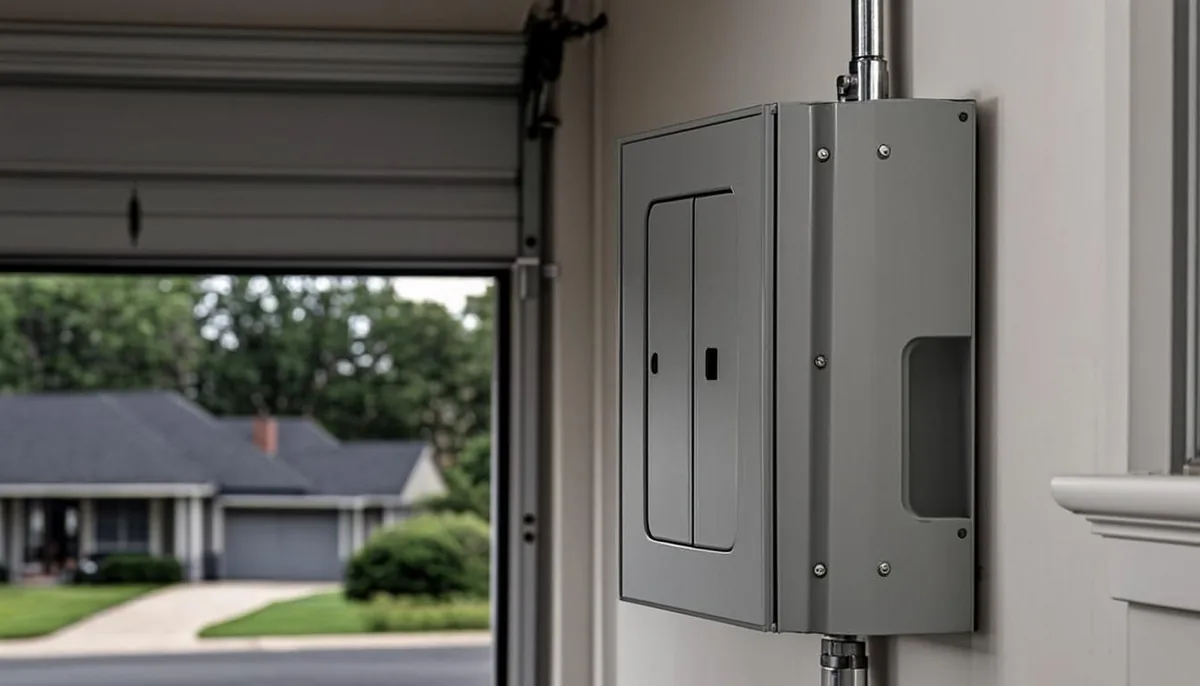
Electrical subpanel installed on a garage wall in Bothell, WA

Subpanel Installation in Bothell, WA

More circuit space for garages, workshops and EV chargers, fed cleanly from your main panel.

Subpanel installation in Bothell, WA is the cleanest way to add circuit spaces to a home whose main breaker panel has run out of room. A subpanel, sometimes called a secondary breaker panel, feeds a garage, addition, or workshop with its own breakers.

Plain framing matters: a subpanel expands where circuits live and keeps distribution tidy. It does not increase the capacity your utility service delivers. That ceiling is set at the service entrance, and nothing added downstream raises it.

What Is an Electrical Subpanel?

Main Panel vs. Subpanel

The main panel is where utility power enters the house, holding the main breaker and branch circuits for every room. A subpanel sits downstream: a smaller panel fed through a breaker in the main panel, serving one zone rather than the whole home.

How a Subpanel Works

Power arrives through the feeder and lands on the subpanel's lugs, where local breakers split it into branch circuits. A fault trips the breaker closest to the load. You gain spaces for new circuits without stacking tandem breakers in the main cabinet.

Feeders and Breakers

The feeder is the conductor set linking the panels, protected by a feeder breaker in the main panel. Breaker size, wire size, and subpanel rating must match the load you plan to serve. Undersize one, and the panel cannot do its job.

Grounding and Bonding

Inside a subpanel, grounded and grounding conductors stay on separate bus bars, and the neutral bus is isolated from the metal enclosure. Detached structures add grounding electrode requirements of their own. Correct terminations keep fault paths predictable and shock risk low.

When Does a Home Need a Subpanel?

Outgrowing the Main Panel

Breaker spaces fill up quietly: a freezer, a bathroom fan, a heat pump water heater, and the slots are gone. When the main panel is full but healthy, a subpanel adds the spaces you need without replacing equipment that still works fine.

Garage and Workshop Circuits

Garages collect loads: a compressor that trips a shared circuit, a freezer that wants its own, workbench outlets, shop lighting. A garage subpanel gives each one a dedicated, labeled breaker instead of everything competing on a couple of general-purpose runs.

Detached Garage Power

Running many long branch circuits out to a detached building invites voltage drop and a tangled main panel. The cleaner answer is one right-sized feeder to a subpanel in the outbuilding, with local breakers protecting each circuit at the point of use.

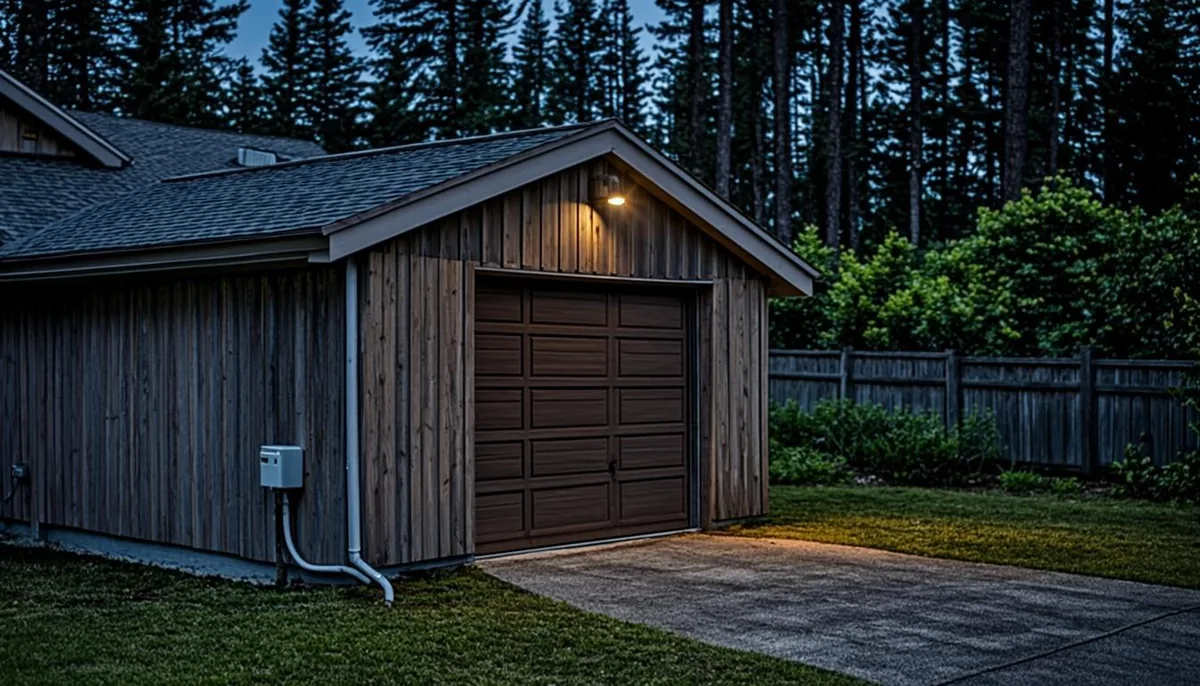
Power routed by feeder conduit to a detached garage panel in the Pacific Northwest
Power routed to a detached garage: one feeder out, local breakers at the subpanel.

Renovations and Additions

Remodels and additions arrive with new circuits attached: kitchen appliances, bathroom receptacles, bedroom lighting, sometimes a heat pump. A subpanel placed near the work keeps all of it organized in one spot and leaves the main panel room for whatever comes next.

Garage Subpanel Installation

Attached Garage Subpanels

An attached garage is the easiest subpanel location on most properties. The feeder crosses one wall, the run stays short, and the panel lands where circuits are actually used. Freezers, door opener outlets, lighting, and future 240-volt equipment all fit naturally here.

Detached Garage Subpanels

Detached buildings need their own distribution and grounding detail. We route the feeder overhead or underground, install grounding electrodes at the structure, and mount the panel where it is easy to reach. Every garage circuit then gets local protection and one obvious shutoff.

Feeder Wiring from the Main Panel

Feeder wiring is where these projects succeed or fail. Breaker size, conductor size, and run length work together, and the route matters just as much: through finished walls, across an attic, or in a trench outside. We map the path before pulling anything.

Garage Lighting and Outlet Circuits

Once the panel is in, garage circuits get built out properly: separate lighting, dedicated workbench receptacles, weather-protected outlets, and a 240-volt receptacle if an EV joins the picture. For that, we pair the panel with the EV charger circuit distribution a charging outlet needs.
Subpanels and EV Charging

Garage subpanels and home charging are frequent partners. Charging equipment draws continuously by the National Electrical Code's definition, as the Department of Energy's home charging guidance notes, so the charger circuit, feeder, and service all need verified headroom. A subpanel makes sense when the garage sits far from the main panel, when you want charger circuits plus workshop and freezer loads on local breakers, or when the main panel is out of spaces but still has capacity to spare. Every project starts with a load calculation on the existing service, because a feeder can only carry what the service can supply. Said plainly: a subpanel adds distribution, not capacity. When the service itself is small, the honest fix is an upgrade, and two of our guides, whether a 100 amp panel can support an EV charger and when to install a subpanel for EV charging, walk through both decisions in detail.

Subpanel Requirements We Check

Subpanel Capacity

Capacity starts with your circuit list, not a catalog. We count the circuits the subpanel must serve now, add the ones you realistically want in a few years, and choose spaces and a rating with margin. A load calculation keeps the choice honest.

Feeder Breaker and Conductor Sizing

The feeder breaker and its conductors are sized as a pair, then checked against distance, because longer runs need larger conductors to hold voltage steady. Copper and aluminum each have their place. Breaker, wire, and terminations get matched so nothing runs hot.

Installation Location

Panels need working clearance in front, a dry location, and a sensible route back to the main panel. Garage walls, utility rooms, and exterior-rated enclosures all qualify. We place the subpanel where it is compliant today and still convenient when circuits multiply.

Permit and Inspection

This is permitted electrical work. Washington L&I inspects electrical work using the 2023 National Electrical Code, per its electrical permits, fees, and inspections page. For Bothell addresses, the city's Bothell Permit Center confirms electrical permits go through Labor and Industries, and we handle that filing.

Our Subpanel Installation Process

  1. Needs assessment. Every project starts with a circuit list: what the subpanel must serve now, what you plan to add, and where those loads live.
  2. Main panel evaluation. The existing panel gets checked for condition, open breaker spaces, and room for a feeder breaker, since that is where the subpanel connects.
  3. Load calculation. A structured load calculation confirms the service can carry the new circuits. It settles subpanel versus upgrade before money is spent.
  4. Subpanel and feeder selection. With loads known, we pick a panel with the right spaces and rating, then size the feeder breaker and conductors to match.
  5. Wiring route planning. The feeder path gets mapped first: wall cavities, attic runs, conduit, or a trench for detached garages. Surprises are cheaper on paper.
  6. Installation. Mounting, feeder pull, and grounding happen in one organized visit, with the work area contained and drywall openings kept small.
  7. Circuit connections. Branch circuits are landed on their breakers, neutrals and grounds separated, terminations torqued, and every directory position labeled in plain English.
  8. Inspection and testing. An L&I inspection closes out the permit, and we test each new circuit under real load before calling the job done.

Subpanel Installation Cost in Bothell

The cost of subpanel installation in Bothell, WA depends on the house, not a flat rate. These factors move the number in both directions, which is why we quote after seeing your panel and the feeder route.

  • Subpanel capacity: more spaces and higher ratings raise the figure.
  • Feeder distance between the main panel and the subpanel location.
  • Condition of the existing main panel and any corrections it needs.
  • Conduit and wiring choices along the feeder route.
  • Garage or outdoor placement, which adds weather protection and grounding.
  • Number of circuits to move or build out.
  • Wall access, since finished surfaces take longer than open studs.
  • Permit and inspection fees set by the state schedule.
Typical subpanel installationRange*
60 amp subpanel$800-$1,500
100 amp subpanel$1,200-$2,800
125 amp subpanel$1,800-$3,500+
Attached garage subpanel, typical 100 amp project$1,000-$2,500
Detached garage subpanel, including trenching$1,800-$3,500+

Current market data puts most subpanel projects between $800 and $3,500 installed: a 100 amp subpanel in an attached garage commonly lands between $1,000 and $2,500, while detached garages that need trenching at $8 to $20 per foot climb to $3,500 or more. The permit and inspection carry their own state-set fees, and the written estimate after we see the feeder route is the definitive number.

Why Choose Us for Subpanel Installation?

Honest Distribution Advice

A subpanel solves circuit-space problems: full panels, tangled garages, additions with nowhere to land circuits. If the real problem is capacity, meaning the service cannot carry the loads you want, a subpanel will not fix it, and we say so before you spend anything. Capacity problems call for a service upgrade or main panel replacement, and we will walk you through the difference.

Permits Done Properly

Every subpanel we install is permitted and inspected. We pull the electrical permit through Washington L&I's system, which is how electrical permits are handled for Bothell addresses, and the work is inspected to the 2023 NEC. We operate as a licensed, bonded and insured electrical contractor serving Washington State, and Washington L&I's VerifySALI contractor lookup confirms it in seconds.

Available Around the Clock

Panels do not keep business hours, and neither do we. The shop answers the phone 24 hours, so a tripping subpanel or dead garage circuit gets attention when you notice it, not when the calendar opens. On install day, circuits are landed cleanly, the directory is labeled in plain English, and the wall is left as finished as we found it.

Frequently Asked Questions

How much does subpanel installation cost in Bothell?

Cost depends on subpanel size, feeder distance, main panel condition, wall access, and whether the panel serves an attached or detached garage. Typical projects run $1,000 to $2,500 in an attached garage and $1,800 to $3,500 or more for detached garages with trenching. Permits and inspections carry their own fee. We give a written estimate after a site visit, so the number reflects your actual route and panel.

Does a subpanel increase electrical capacity?

No. A subpanel adds breaker spaces and cleaner distribution, but every amp still flows through your original service, so total capacity stays where the utility set it. When loads outgrow the service, the answer is a service upgrade, and a load calculation shows which situation you are in.

Can I install a subpanel in my garage?

Yes, and garages are the most common location we install them. An attached garage usually takes a short feeder through one wall; a detached garage gets an underground or overhead feeder with its own grounding. Both need working clearance in front of the panel and a permit first.

Does a detached garage need a subpanel?

Often, yes. If the building will serve more than a circuit or two, one feeder to a local subpanel is cleaner and reduces voltage drop compared with many long branch circuits. A structure with a single light and outlet can sometimes stay on a simple feeder circuit.

Can I install an EV charger on a subpanel?

Yes, provided the feeder and the service behind it have verified headroom, because charging equipment is a continuous load. We run a load calculation on the main panel first, then size the feeder and charger circuit to match. Tight numbers get an honest conversation about upgrading.

What size subpanel do I need?

No single answer fits every home; the size comes from a load calculation and your circuit list. We total what the subpanel will serve now and later, check the feeder's capacity, then choose spaces and a rating with room to grow. Guessing often means replacing the panel twice.

Is a permit required for subpanel installation?

Yes. In Washington, subpanel installation is permitted electrical work filed through Labor and Industries, which is also how electrical permits are handled for Bothell addresses. The work is then inspected to the 2023 NEC. We handle the filing and schedule the inspection for every installation.

Adding circuit space should make a home easier to understand, not just bigger. If your Bothell home needs a subpanel, a garage feed, or an honest read on whether capacity is the real issue, we are glad to take a look.

Call (425) 285-8045 or request an estimate for subpanel installation in Bothell, WA, and get a plan built around your panel, your garage, and your loads.

Your Home's Next Electrical Project Starts Here

Bring the charger box, the panel questions or the half-formed plan. We will turn it into a scope, a schedule and a permit.

Call NowGet Quote