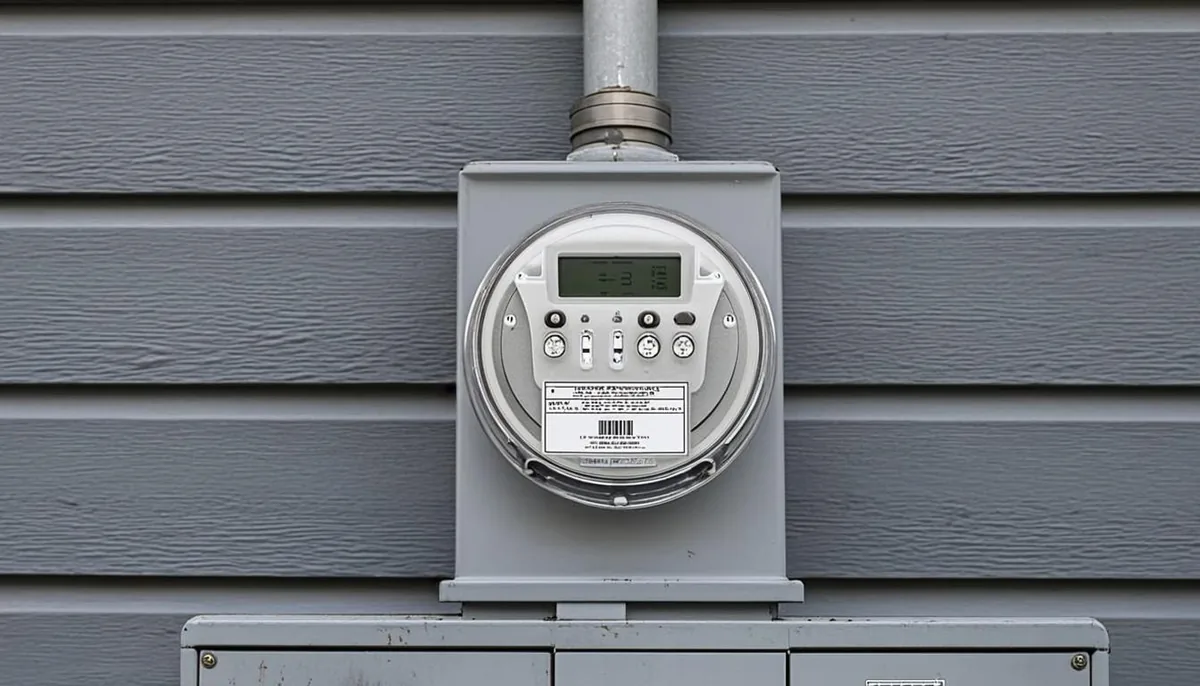
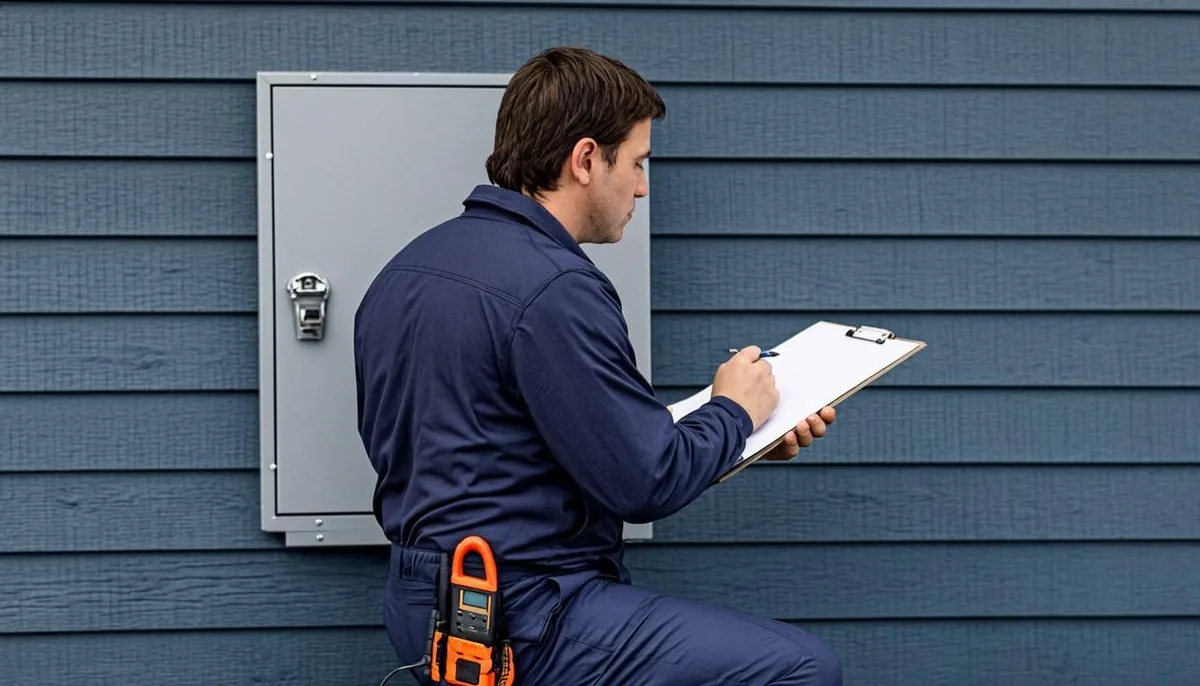
Capacity limits rarely announce themselves with a single symptom.
Growing Household Loads
Remodeled kitchens, home offices, and well-equipped garages each add modest demand on their own. Together, that demand climbs. When breakers trip as several appliances run at once, the limitation may sit with the service rather than any single circuit, and an assessment can tell the difference.
Limited Existing Capacity
Some homes still run on services sized for lighter loads than the household now places on them, leaving little headroom above the original design. Warning signs include a shortage of breaker space and a main breaker that looks small next to modern demands. A load calculation compares the existing rating with how the home lives today.
Major Renovations
Finishing a basement, adding living space, or rebuilding a kitchen usually adds circuits beyond what the existing panel was designed to hold. When a remodel's electrical scope outgrows the panel and the service behind it, upgrading the service keeps the finished space from straining original equipment.
New EV Charging
A Level 2 charger, the 240-volt charging unit many homeowners install, draws a continuous load, and the National Electrical Code recognizes EV charging equipment as exactly that. Some services absorb a charger with load management, which lets it share capacity with other household loads; others need service capacity first. Our EV charger installation in Bothell page covers that decision.
Heat Pumps and Electrification Projects
Converting a gas furnace or water heater to a heat pump moves that workload onto the electrical service. Add an electric range, a dryer, and an EV charger, and the combined demand can approach what an older service was built to deliver. Electrification planning often starts at the service.