What Happens During an Electrical Inspection in Washington?
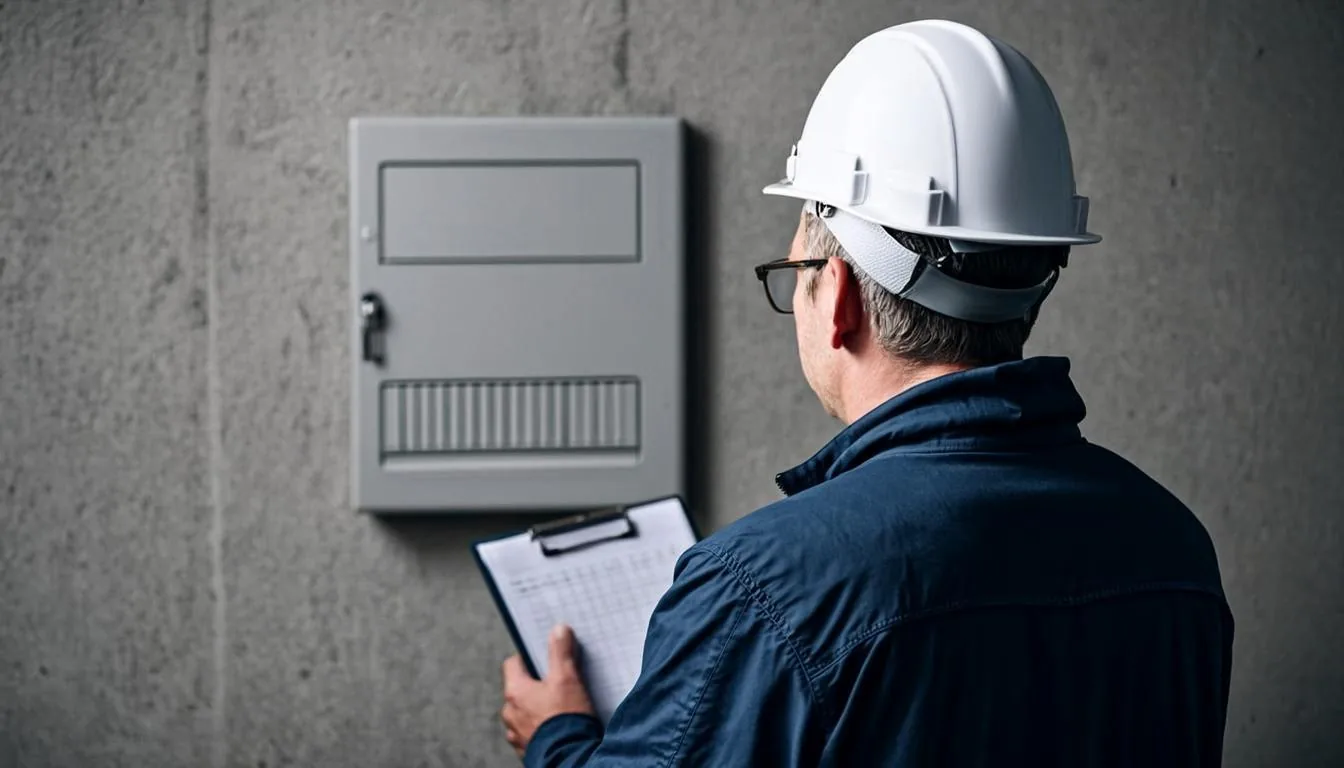
A Washington electrical inspection is the last visit a project receives, and for homeowners in Bothell it is the moment the work officially becomes finished. The inspector arrives after the tools are packed, opens the panel, follows the new circuit end to end, and decides whether the installation matches the permit that authorized it. Most owners never see this step up close, which is exactly why it pays to know what the inspector is looking at.
This guide walks through the visit from the homeowner's side: why inspections exist, what gets examined on a charger or panel job, and how final approval is recorded. Electrical permits for Bothell addresses run through Labor and Industries rather than city hall, and the state's own electrical permit and inspection page describes that framework in the agency's words. Two of our guides cover the paperwork side, one on the Washington EV charger permit and one on the Washington panel upgrade permit.
Purpose of Electrical Inspections
An electrical inspection confirms that new work protects the people who live with it. Wiring disappears behind drywall, so the state checks it while everything is still visible, comparing what was built against what the permit promised. Washington L&I inspects electrical work using the 2023 National Electrical Code, an edition that took effect on April 1, 2024 along with revised state rules, so a passed visit means the installation meets the current national safety standard as Washington enforces it.
What Inspectors Examine
Inspectors read a job in layers: the permit, the installed equipment, and the workmanship joining them. Expect checks on circuit sizing, conductor type, breaker pairing, and the listed rating of every device on the installation. Appearance carries no weight; a tidy job built with the wrong conductor fails, and a plain but correct one passes.
EV Charger Circuit Inspection
Charger circuits receive extra attention because they run hard for hours without a break. The inspector confirms the circuit is dedicated, that the conductors match the equipment's input rating, and that a 240-volt connection is made the way the manufacturer's instructions require. Outdoor and garage installations are also checked for suitability at their mounting location.
Households planning this work can lean on our EV charger installation in Bothell service, which treats the inspection as part of the project: the permit gets filed, the visit gets scheduled, and the installer meets the inspector.
Electrical Panel Inspection
The panel receives its own scrutiny because every new circuit lands there. Inspectors confirm that breakers match the conductors they protect, that unused openings are closed, and that the work leaves the panel's required working space clear. Where a project includes capacity work, our electrical panel upgrade page explains how those decisions are made before inspection day.
Grounding and Bonding
Grounding gives stray current a safe path into the earth, and bonding connects metal parts so no single piece can become live while everything around it stays safe. Both are invisible once walls close up, so inspectors verify them while they can still be seen: grounding electrodes, bonding at water and gas piping, and grounding terminals inside new equipment. Failures in this layer are serious, so expect the visit to dwell here.
Electrical Equipment and Installation
Every device on the job must be listed by a recognized testing laboratory and installed according to its instructions. The inspector checks that ratings line up across the circuit, that cable is protected wherever damage is possible, and that connectors and terminations follow the manufacturer's directions. Mixing incompatible parts is among the most common reasons work fails, and it is entirely avoidable at the design stage.
Common Inspection Issues
Most corrections trace to a short list of avoidable habits:
- Mislabelled circuits at the panel, so breakers do not describe what they serve
- Loose terminations where conductors were never tightened to specification
- Cable left unsupported, or run where it is exposed to damage
- Devices installed with a rating that does not match the circuit protecting them
None of these are exotic or expensive at the wiring stage, which is why careful electricians re-check their own work before requesting the visit.
Final Approval and Documentation
Every inspection follows the same arc, whether the permit covers one charger circuit or a full panel replacement:
- Scheduling the inspection. Once the electrician's own checks pass, the visit is requested through the state's system by the permit holder.
- The walk-through. Once the permit is reviewed, the inspector examines the installed work at the panel, along the circuit, and at the equipment.
- What gets checked. Sizing, grounding and bonding, equipment listing, and workmanship are compared against the code edition in force.
- Corrections if needed. Anything short of the code is listed, repaired, and re-inspected before the job can close.
- Final approval. The sign-off is recorded through the state's permit system, completing the record that stays with the property.
That recorded approval is worth filing with your household paperwork; it documents the system's condition on the day the work was accepted.
Frequently Asked Questions
Does every electrical project in Washington get inspected?
Any project that requires a permit is inspected, and new circuits, panel work, and charger installations all fall into that category. The permit defines the scope of work, and the inspection confirms the finished installation matches it. Your electrician knows which category a job falls into before it begins.
Who performs the inspection for a Bothell home?
Washington L&I performs it, because electrical permitting for Bothell addresses runs through the state rather than through city hall. Inspectors apply the 2023 National Electrical Code together with Washington's own electrical rules. Your contractor, as permit holder, schedules the visit and meets the inspector on site.
How do I prepare my home for the inspection?
Plan for clear access to the panel and to any equipment that was installed, and keep the area around the work free of stored items. Your contractor handles scheduling and walks the site with the inspector, so your main responsibility is making sure nothing blocks the view on the agreed day.
What happens if the inspector finds a problem?
The inspector lists the corrections, your electrician repairs them, and a re-inspection confirms the fixes before the permit can close. Corrections are a normal part of the process rather than a failure of it. Choosing an installer who self-checks before the visit keeps the list short and the project moving.
Work that is built for the inspection passes it quietly, and the project ends with a recorded approval instead of a correction list. If a charger circuit or a panel project is taking shape at your place, call (425) 285-8045 and talk through the plan before any wire is pulled.