100 Amp vs. 200 Amp Electrical Service: What's the Difference?
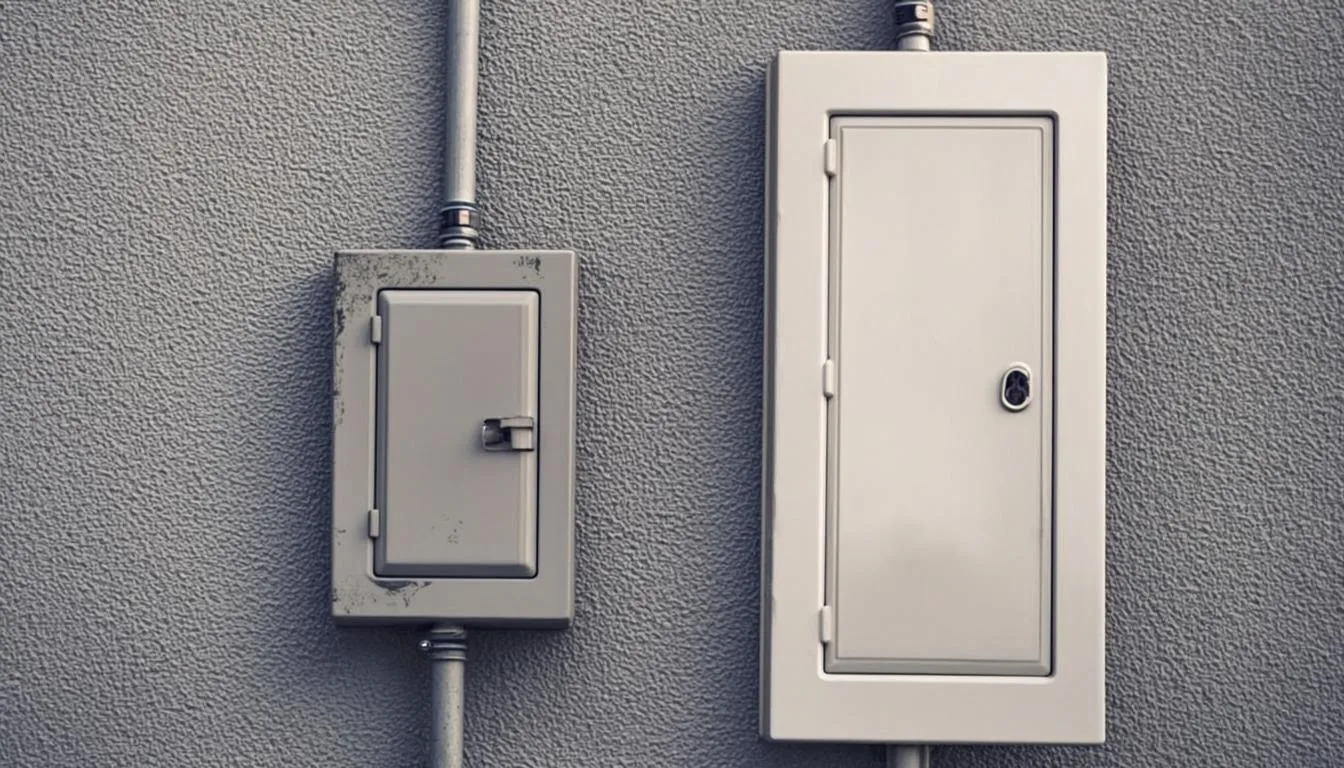
Comparing 100 amp vs 200 amp service starts with a simple observation: two homes on the same Bothell street can look alike and live under different electrical ceilings. A rating stamped on the main breaker decides how much the house can draw at once, and it matters more as homes electrify.
This post explains what each rating handles, where EV chargers, heat pumps, and electric appliances fit, and how a load assessment tells you which side you sit on. Charts cannot answer that; your panel, measured properly, can.
Understanding Residential Electrical Service Ratings
Service rating is the total electrical current a home can safely carry, expressed in amps and set by the main breaker. Amps measure the volume of electricity moving at once, so a panel rated for 100 amps is a ceiling rather than a target.
Ratings get chosen when a home is built, based on the loads expected then. Houses planned before electric-everything living often carry 100 amp service; many later builds carry 150 or 200. Each is a ceiling sized for a moment now past.
Typical Electrical Demand in a 100 Amp Home
A 100 amp home was planned around a certain picture: gas or oil heat, a gas water heater, a kitchen of modest appliances, and no vehicle plugged into the wall. Within that picture, the rating does its job.
Strain appears when the picture changes. Add an electric dryer, an induction range, and a hot tub and the arithmetic tightens, because every appliance competes for the same limited flow. Breakers tripping on busy evenings are the classic symptom; a load calculation confirms it.
Electrical Capacity in a 200 Amp Home
A larger rating widens the picture. In a 200 amp home, heating, water heating, cooking, laundry, and a garage full of charging can run without bidding against each other. Every added appliance still gets weighed, with far more room to land.
EV Chargers and Electrical Demand
A Level 2 charger, the 240-volt equipment most EV owners install, draws hard for hours, and the National Electrical Code treats EV charging equipment as a continuous load, sized for a sustained run, not a burst. On a 100 amp panel, that draw sometimes fits, especially where gas appliances leave headroom or load management lets the charger share capacity. Elsewhere, the math says otherwise.
Charger marketing will not settle it; arithmetic will. Our guide to adding an EV charger on a 100 amp panel covers the charger case, and the 100 to 200 amp panel upgrade service exists for houses where the math points upward.
Heat Pumps and Electric Appliances
Heat pumps move heat instead of burning fuel, shifting winter demand onto the panel; electric water heaters, ranges, and dryers each claim a slice as well. Plan the panel in the same breath as any big addition.
When 100 Amp Service May Be Sufficient
Plenty of 100 amp homes should stay as they are. Gas heat, gas water heating, modest square footage, and a charger tamed by load management can live happily inside the rating. Replacing service that works is spending without benefit.
When to Consider 200 Amp Service
Cases for 200 amps build from plans rather than symptoms: an EV or two, a heat pump on the wishlist, a kitchen renovation, an addition. When several land on a 100 amp panel at once, the calculation usually stops fitting. Set them side by side:
| Aspect | 100 amp service | 200 amp service |
|---|---|---|
| How it handles today's loads | Comfortable with gas heat, gas water heating, modest electric appliances | Runs the fully electric household with space between big loads |
| Electrification headroom | Limited; each new 240-volt appliance competes for the same ceiling | Generous; chargers, heat pumps, and electric ranges usually fit |
| What usually triggers a change | A load calculation showing no room for the next major appliance | Chosen proactively for a heavily electrified home |
Where a change is warranted, our electrical panel upgrade work in Bothell starts with that calculation and ends with reassurance or a plan. Unsure the panel is the constraint? Our when to replace an electrical panel guide lists the signals.
Professional Load Assessment
A load assessment, sometimes called a load calculation, is where guesswork ends. The electrician inventories fixed loads: heating, cooling, water heating, cooking, laundry, then applies the electrical code's method to planned loads such as a charger. That result, weighed against the panel's rating, reads one of two ways: room, or no room.
Either answer is useful: room means you buy the charger and skip construction; no room means you plan the panel with open eyes. Bring your plans to the visit: the car you intend to buy, the heat pump you have been quoting, the renovation on a napkin. Planned loads change the arithmetic, and sizing once beats twice.
Frequently Asked Questions
Is 200 amp service necessary for an EV charger?
Not always. Many 100 amp homes accept a charger, particularly when load management lets charging yield to other large appliances, or when gas appliances leave headroom. Whether your house qualifies is settled by a load calculation, not a rule of thumb.
What does a load assessment actually measure?
It compares every significant load, heating, cooling, water heating, cooking, laundry, plus anything you plan to add, against the rating of your service. The electrical code provides the method for stacking those demands. What comes out is simple: room for the next appliance, or not.
Do heat pumps require a service upgrade?
Sometimes, though not by default. Modern heat pumps vary their draw, and many install within an existing panel's capacity, especially where gas appliances still hold headroom. The deciding document is the load calculation run before installation; it weighs the unit against your panel.
How do I find out my home's service rating?
Look at the main breaker, the largest switch in your panel, where the rating is printed on its handle or label. A reading of 100, 150, or 200 tells you the ceiling you live under. What that ceiling means for your plans needs calculation.
Ceilings are easy to raise once you know where you stand. For a load assessment that ends the guessing, reach us at (425) 285-8045 and bring your wishlist.