What Are the Electrical Requirements for Apartment EV Charging?
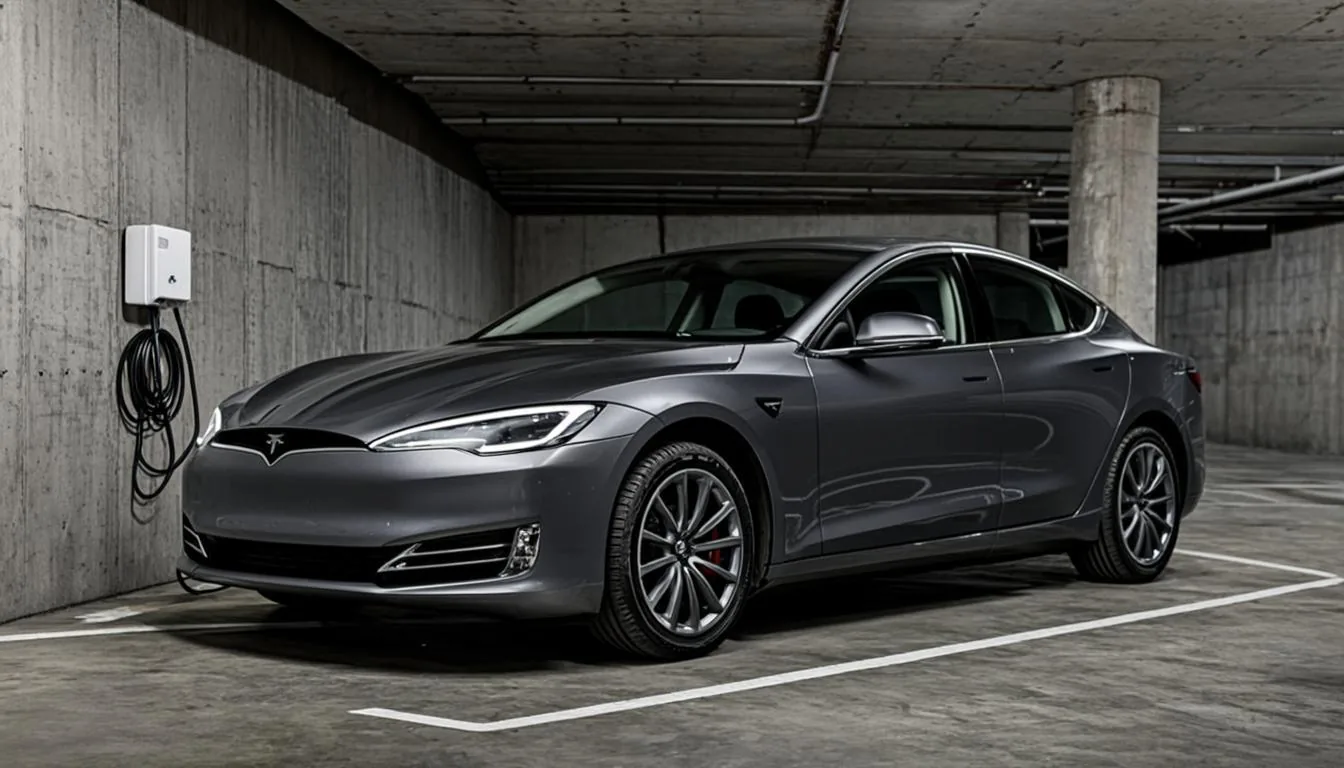
Apartment EV charging in the Bothell area is a shared-infrastructure question before it is a hardware question. In a single-family driveway you own the panel, the wall, and the decision; in a multifamily garage, the electricity, the parking, and often the approval all belong to a property. Planning around that reality is what separates projects that get built from proposals that stall.
This guide explains how charging works where the wiring is communal: who owns which piece, how capacity is divided among residents, and what the process looks like for renters, condo owners, and property managers.
How Apartment EV Charging Works
Multifamily charging comes in two broad forms. One resident may receive a dedicated charging circuit serving an assigned stall, or the property may install shared stations that anyone can use, with access controlled by fob, app, or payment. Both deliver the same 240-volt Level 2 charging; what differs is who maintains the equipment, who pays, and how usage is divided.
Shared Electrical Infrastructure
An apartment building's electrical service was designed around refrigerators and hallway lighting, not around a parking level where every stall might one day draw like a range. Unit meters feed the residences; house loads cover common areas. Adding charging means finding capacity within one of those pools or creating a new one, and the answer differs between a garden-style community with surface stalls and a structure with two levels of enclosed garage.
Individual vs. Shared Charging Circuits
Most properties weigh two models, and each distributes capacity, cost, and control differently:
| Aspect | Individual dedicated circuits | Shared charging stations |
|---|---|---|
| Who benefits | The resident assigned to that stall | Every resident with a compatible vehicle |
| How capacity is used | Each circuit holds its share of panel capacity whether or not a car is plugged in | Capacity serves whichever stalls are active, so fewer circuits cover more drivers |
| What planning it needs | Panel space and a route from the electrical room to each stall | Load management, access control, and a billing approach agreed in advance |
Neither model is universally correct. Assigned stalls with panel capacity nearby suit individual circuits; large garages with more vehicles than capacity lean toward shared stations.
Parking Garage Electrical Capacity
Capacity is the gate every multifamily project passes through, and garages hide their limits well. Spare breaker space in the electrical room, distance from that room to the far stall, and the load already carried by house service together decide how many chargers the building can absorb before infrastructure work begins.
Utility territory shapes the planning conversation too. Communities such as Lynnwood, which carries plenty of multifamily housing on the Snohomish County side of the region, are served by Snohomish County PUD, though the provider always depends on the exact address; Bothell addresses can sit on either side of the county line. Confirm by address before scoping, and see our Lynnwood EV charger panel upgrades page for the Snohomish County view.
Load Management Systems
Load management is what lets a garage support more chargers than its raw capacity suggests. Rather than granting every circuit full power all night, a management system staggers or divides the available supply among the cars that are plugged in. Vehicles slow down during crowded moments and recover as neighbors finish. Our multifamily EV load management guide takes the building-scale versions of this idea much deeper.
Property Owner and HOA Responsibilities
Condominium associations own the common electrical systems, which usually include garage panel capacity; apartment owners hold the same duty through their management companies. Decisions worth settling early include who approves installations, which stalls are eligible, how residents pay for electricity, and who maintains the equipment over time. Written answers to those four questions prevent most disputes later. Townhome owners face a smaller version of the same coordination, described in our townhome EV charger guide.
EV Charging Installation Planning
Strong multifamily projects begin with a survey rather than a purchase order: count the stalls, map the electrical rooms, and model how demand grows as more residents switch to electric cars. A phased plan builds conduit and capacity for the whole garage while energizing only the first group of stalls, which costs far less than tearing into finished parking twice.
Permits and Inspection
Charging in a multifamily building is permitted electrical work like any other. The property's contractor files through the applicable authority, the installation is inspected, and the records stay with the building. Renters should expect the property to coordinate all of it; owners in small associations should expect a process resembling any other common-area improvement, with approval in place before the first conduit is hung. Properties that also serve individual homes can borrow the residential playbook on our EV charger installation in Bothell page.
Frequently Asked Questions
Can a renter install an EV charger in an apartment stall?
Rarely without the property's involvement, because the stall and the electrical system belong to the owner or association. Start by asking management whether a charging policy exists, whether your stall is eligible, and which installers the property prefers. Some communities already run a program, which makes the conversation short.
How do residents pay for electricity at shared chargers?
Arrangements vary: some properties meter each stall, some bill by session through the management platform, and some fold charging into a monthly amenity charge. What matters is that the method is written down before installation. Ask how usage is recorded, who invoices, and what happens when rates change.
Why not install DC fast charging at an apartment?
Level 2 equipment, the 240-volt kind used in residential garages, refills a car overnight and matches how residents actually park. DC fast charging is a commercial-grade technology with utility-scale power requirements that rarely suit apartment electrical services or budgets. For overnight residential parking, plan around Level 2 equipment.
What should a proposal to an association include?
A capacity survey, a stall map showing the first phase, the equipment specification, and a maintenance plan covering who services the stations and how residents get help. Associations respond best to complete packages, because their real questions are about capacity, cost, and long-term upkeep rather than about the charger itself.
Shared garages reward the properties that plan ahead of demand instead of behind it. If you manage a community or serve on an association board near Bothell, ring (425) 285-8045 and open with a capacity survey of your garage.