Can You Install an EV Charger Without Upgrading Your Electrical Panel?
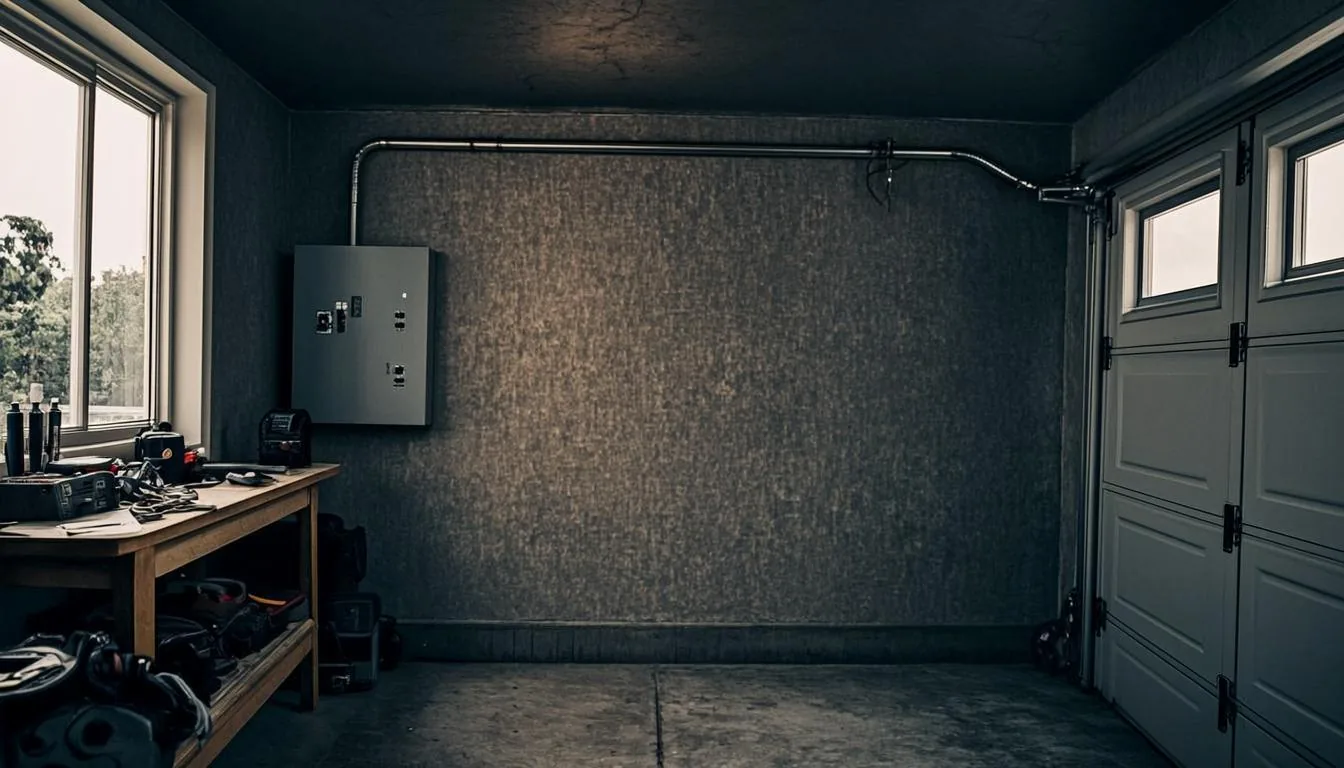
An EV charger without a panel upgrade is a realistic outcome for plenty of Bothell houses, and it is worth saying early: your charging plans do not automatically draft the panel into a replacement project. Some homes simply have the room. Others get there with smarter equipment instead of bigger equipment.
Every route below begins the same way, with an honest load calculation, and ends with a car charging from the panel you already own.
Understanding Existing Panel Capacity
Capacity, not age, decides this question. A panel from any decade can carry a charger if the household's demand tally leaves room once the new circuit joins; the same panel fails if a winter evening already brushes the rating. Age matters mainly through condition, which gets its own look further down.
Three routes keep a project off the upgrade path:
- A dedicated circuit installed on a panel with verified headroom
- A load-managed charger that shares existing capacity with the household
- Scheduled charging timed for the house's quiet hours
Electrical Load Calculation
All three routes start with the same arithmetic: a load calculation comparing measured demand with the service rating. Homeowners sometimes discover the opposite of the feared verdict, a service with genuine headroom, and the whole project shrinks to a new circuit, a permit, and a tidy workday.
Federal guidance backs the optimism. The Department of Energy's home charging guidance points out that not every house has the capacity for Level 2 equipment on day one, and that adding circuits is a qualified electrician's answer to the gap.
Reassurance has limits worth respecting: skipping the upgrade only works when the calculation genuinely passes. Equipment that hides a capacity problem manages symptoms rather than causes. A good assessment protects you from overbuying and underplanning at the same time.
Dedicated Circuit Installation
The most common outcome is also the simplest. A dedicated circuit, meaning new conductors run from the panel to the charger location, gives the car its own protected path without disturbing anything else in the service. Houses that pass the calculation stop here, and the job fits inside a single visit with an inspection to close it out.
EV Charger Load Management
Thin headroom differs from absent headroom, and managed charging is the bridge between them. A load-managed charger watches household demand and adjusts its own output, yielding power when the dryer starts and reclaiming it once the house goes quiet. Our EV charger load management post explains how they work, from simple ceilings to systems that respond in real time.
Smart Charging and Power Sharing
Software adds a second lever. Scheduled charging fills the battery during late-night hours when the rest of the house draws little, and power sharing lets several charging ports divide one circuit's allowance among them. Wi-Fi connected equipment makes both behaviors adjustable from a phone, which turns capacity planning into something tunable after installation rather than fixed forever.
When a Panel Upgrade Is Necessary
Honesty requires the other column. Electric heat plus an electric water heater plus a serious shop load can crowd a service past what management can politely share, and some panels lack the physical condition to build on at all. When the calculation says capacity work comes first, the electrical panel upgrade precedes the charger, and the car ends up better served for the wait.
Households planning broader electrification often reach the same fork and fold the upgrade into the larger plan, which costs less than discovering it twice.
Installation Assessment
One visit settles which column you are in. Expect the electrician to verify the panel's condition, measure what the house actually demands, walk the likely charger route, and lay out both paths with numbers attached rather than adjectives.
Where the answer lands in between, a subpanel for EV charging sometimes reorganizes circuit space without touching the service. The EV charger installation in Bothell page explains how the assessment unfolds, findings first and equipment second.
Frequently Asked Questions
Can I install an EV charger without upgrading my panel?
Often, yes. When a load calculation confirms headroom, a dedicated circuit installs on the existing panel; when headroom is tight, a load-managed charger or scheduled charging often bridges the gap. Upgrades enter the picture only when demand already crowds the service or the panel itself is in poor condition.
What is power sharing between chargers?
Power sharing lets two or more charging ports divide the allowance of a single circuit, so the combined draw never exceeds what the circuit supplies. Cars charge in sequence or proportion instead of simultaneously overloading anything. It is a common solution for households adding a second EV without adding a second service demand.
Does load management make charging much slower?
It paces charging against whatever else runs at the time. On a quiet night the car charges at full configured speed; during a busy evening the charger temporarily steps down, then recovers the difference after the house settles. Overnight sessions usually finish full anyway, which is the window that matters for most commuters.
When does a panel upgrade become unavoidable?
Once the calculation shows existing demand already at or beyond the rating, management has nothing to share. The same applies when the panel's condition disqualifies it: rusted enclosures, damaged components, or obsolete equipment fail inspection regardless of math. In those cases the upgrade protects the whole house, with the charger as one beneficiary among many.
Your existing panel deserves the benefit of the doubt, and a proper assessment is how it gets one. If the EV is ordered and the panel question is nagging at you, call (425) 285-8045 for a straight read before spending anything; plenty of Bothell garages are already one circuit away from ready.