Where Should You Install an EV Charger in Your Garage?
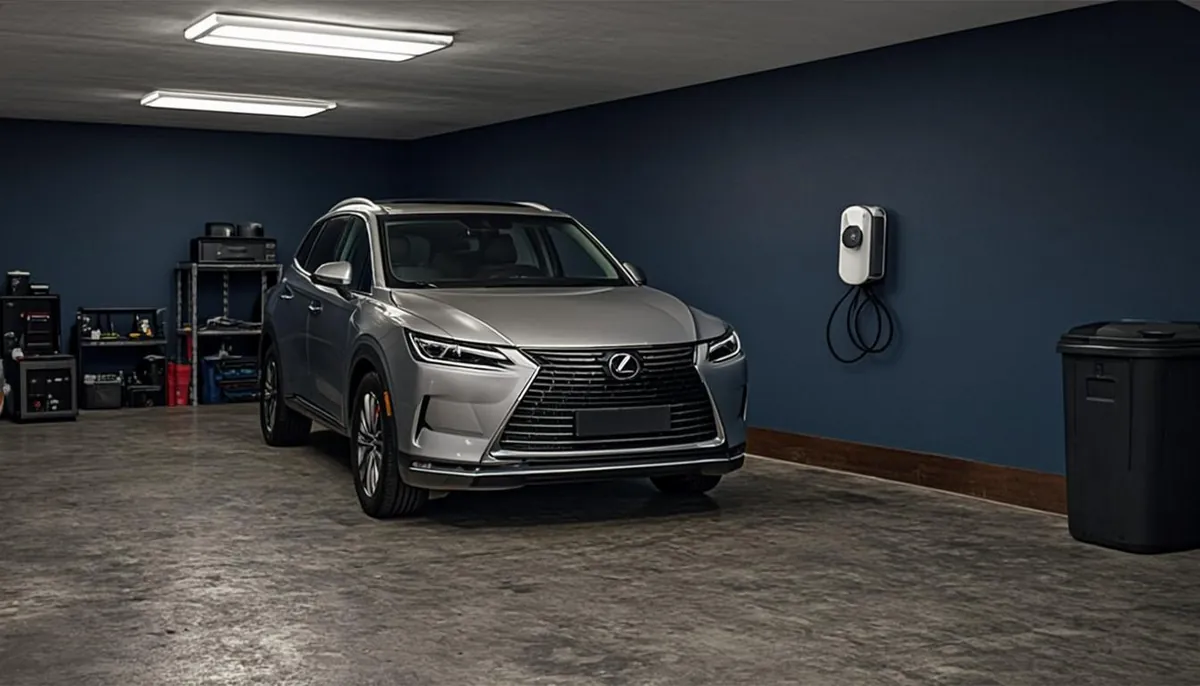
Deciding where to install a home EV charger starts with the spot your car actually occupies, not with the wiring, and for Bothell homeowners that spot is usually a garage bay. A garage bay means a wall near the bumper, a short path to the panel, and weather that never reaches the equipment.
Location shapes everything that follows: cable reach, circuit length, subpanel needs, and weather protection. This guide walks through the common charging locations and the questions each one raises.
Start with Where You Park
Charging works best when it matches a habit you already have. Park in the same bay every night? The charger belongs on the wall whose cable reaches that car's charge port without stretching across the garage. Rotate between two vehicles? The mounting point has to serve whichever one is home.
Where the car sleeps each night decides cable reach more than any other factor, so settle it before anyone drills. A charger mounted for a car that later moved across the garage is the most common placement regret we hear about.
Attached Garage Installations
An attached garage is the easiest location on most properties. The structure shares a wall with the house, the panel is usually in the garage or just inside a door, and the circuit run stays short. Wiring travels through framing or along the wall in conduit, and the whole job stays out of the rain.
Placement within the garage still matters. The unit goes on the wall nearest the parking position, clear of bumpers and storage, with the cable dropping toward the charge port side. After the load assessment confirms room for one more 240-volt circuit, the project is mostly about placement rather than distance.
A well-chosen mounting point is easy to miss: cable falls naturally to the port, nothing crosses a walkway, and the holster sits where a hand finds it. That ease comes from measuring the parking pattern first.
Detached Garage Installations
A detached garage changes the scope, because power has to reach a building that may have none. The charger circuit becomes a feeder: conductors sized for the distance, routed overhead or run through a trench. Separate structures bring their own grounding requirements, and the work is inspected like any other circuit.
When the outbuilding needs more than one circuit, or you plan to add a freezer, tools, or lighting, a subpanel is the cleaner answer: one feeder from the house, local breakers at the garage, and the charger branching from that panel. Our subpanel installation service handles that design; the load calculation on the main panel comes first.
Driveway and Outdoor Charging
No garage? The charger mounts outdoors, and the equipment list grows: weather-rated units, protected connections, and mounting that sheds water rather than trapping it.
Mounting height keeps the unit above splash, sprinkler spray, and bumper contact while staying comfortable to reach. Security deserves thought too: a visible unit should sit where neighbors and porch lighting make tampering obvious. Cord care matters as well, since a cable lying across pavement takes abuse no garage cable ever sees.
Cable Reach and Parking Position
Charge ports are not in the same place on every vehicle: front fender, rear fender, sometimes the grille. The position varies by model, and your next car may put the port on the opposite side. Cable length is fixed once you own the charger, so the mounting point has to fit how the car actually parks.
Leave slack in the plan: aim for the cable to reach the port with spare length rather than exactly enough, because nose-in one week and nose-out the next moves the port a surprising distance. A spot centered on the parking area usually covers both orientations and a future second vehicle.
Distance from the Electrical Panel
Every foot between the panel and the parking spot adds conductor; longer runs add material and labor to the estimate. Run length also shapes design: conductors are sized for the full distance so the charger receives proper voltage at the end of it; that is why the panel-to-parking measurement happens early in every site visit.
Capacity is the other half: some homes have insufficient electric capacity for Level 2 charging, though a qualified electrician can add circuits to accommodate the equipment, as the Department of Energy notes in its AFDC home charging guide. A plug-in plan ends the run at a receptacle, which our 240V EV charger outlet installation service provides; a hardwired plan ends it at the unit's terminals.
Installation Planning Checklist
- Confirm where the vehicle parks on a typical night, and which side holds the charge port.
- Measure the approximate distance from the electrical panel to that wall.
- Decide between a plug-in charger on a receptacle and a hardwired unit.
- Note whether the garage is attached or detached, and whether it already has power.
- List what else shares the panel's capacity, such as a heat pump, dryer, or shop tools.
- Plan for the permit: a new charging circuit is permitted work in Washington.
On that last point, the electrical permit comes from Labor and Industries rather than a city desk, as the City of Bothell Permit Center explains, and filing is part of our job.
Frequently Asked Questions
Can I put an EV charger in a detached garage?
Yes; detached garages charge happily. The circuit runs from the main panel to the building as a feeder, overhead or in a trench, and a subpanel there can serve the charger plus lights and outlets. Capacity at the main panel gets confirmed before we quote the run.
How high off the floor should a charger be mounted?
High enough that the connector clears the bumper, shelving, and stored items, yet low enough to reach comfortably and hang the cable without strain. Keep it above snow splash and floor moisture. Exact height depends on your vehicle and parking position, confirmed during the site visit.
Does the charger have to be near the electrical panel?
No. The circuit can be routed from the panel to any wall that suits your parking spot. Distance does not reduce charging performance when the wiring is sized for the run; it mainly adds material and labor, which is why the measurement happens early in planning.
Do I need a permit to install a garage EV charger?
Yes. A new 240-volt charging circuit is permitted electrical work, and for Bothell addresses the permit is obtained through Washington L&I's system, with an inspection of the finished circuit. We file the permit and schedule the inspection as part of the project.
Where to install a home EV charger has one honest answer: where you park, wired the shortest sensible way, with equipment rated for its surroundings. Weighing spots around your property? We will walk it with you and settle the location before any wiring is planned; that conversation is part of every EV charger installation in Bothell we take on.
Call (425) 285-8045 to schedule a site visit, or send us a message any time; someone answers around the clock.