Electrical Panel vs. Subpanel: What's the Difference?
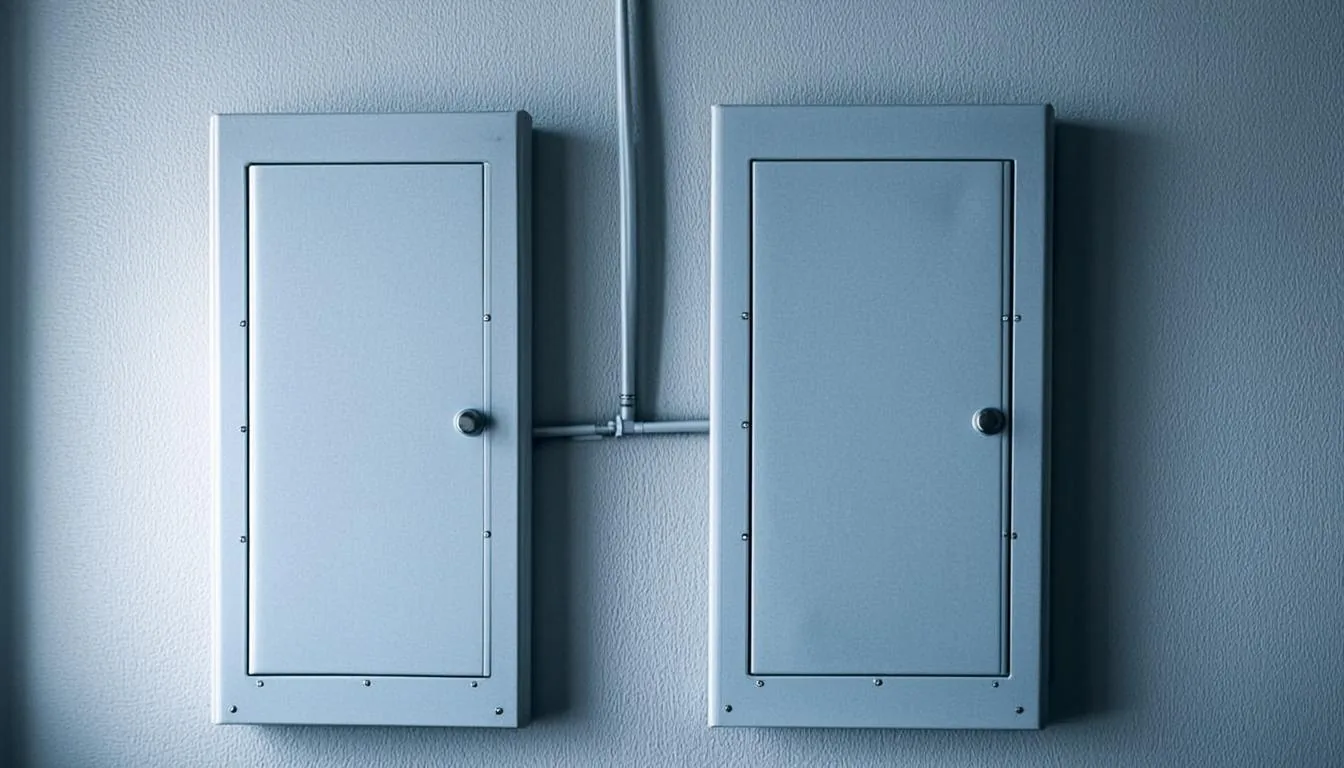
An electrical panel vs subpanel comparison, for many Bothell homeowners, is really a comparison between headquarters and a branch office. The main panel is where power arrives and big decisions happen; a subpanel is a smaller office opened closer to where the work gets done. Knowing which box does which job makes every electrical plan easier to read.
This guide covers what each box contains, how power travels between them, where subpanels earn their keep, and what installation and inspection involve. Branch office theme included throughout.
What Is a Main Electrical Panel?
The main panel, sometimes called the service panel, is electrical headquarters. Utility power lands there first, the main breaker standing ready to disconnect the entire home, and branch breakers protect individual circuits from there onward. Grounding is anchored here too, part of why its position near the meter matters.
What Is a Subpanel?
A subpanel is a secondary panel fed from the main one, usually placed where circuits cluster: a garage, a finished basement, an addition, a detached workshop. It holds its own breakers for the circuits it serves, while its feed is protected by a breaker back at headquarters. Local managers, upward reporting.
How Power Is Distributed
Power enters the main panel and splits two ways. Some stays, feeding the circuits breakered there; some travels out through a feeder, a set of heavy conductors, to the subpanel, which divides its share among local circuits. At every step a breaker stands ready to interrupt.
Picture one weekday morning: the freezer clicks on, the charger by the parking spot is already running, and the shop lights wait for the weekend. All of that power arrived at one meter, yet two boxes coordinated it, headquarters passing a share down the feeder while the branch office kept its circuits orderly.
A subpanel's breakers only see their own circuits, which keeps trips local and labels honest. The main panel's breakers keep the whole house safe, the feeder included.
Main Panel and Subpanel Connections
Between the boxes runs a feeder circuit: a two-pole feeder breaker in the main panel, conductors sized for the subpanel's designed load, and grounding arranged correctly at the subpanel end. Those parts get sized from a load calculation, the arithmetic that totals everything the subpanel will serve. Boxes are connected deliberately, never improvised. The division of labor, at a glance:
| Attribute | Main panel | Subpanel |
|---|---|---|
| Role | Receives utility power and protects the whole house | Distributes a share of that power among local circuits |
| What it contains | Main breaker, branch breakers, grounding connections | Branch breakers for its own circuits; no whole-house disconnect |
| Where it is used | One per home, near the meter and service entrance | Garages, additions, basements, detached buildings |
| Its limits | Capacity set by the service rating from the utility | Adds no capacity; it divides what the main panel supplies |
Garage Subpanel Applications
Garages are classic subpanel territory, and EV ownership keeps pushing the trend. A charging circuit, a freezer, shop tools, and a future second charger all live comfortably as branch circuits under one garage panel. Our subpanel installation work in Bothell starts with the load calculation confirming the main panel can feed all of it.
For the charger-focused version of this decision, our panel replacement vs. service upgrade comparison explains the larger projects that fix capacity instead of dividing it.
Detached Building Electrical Distribution
Detached buildings raise the formality a notch. The feeder travels underground or overhead, the structure gets a grounding setup of its own, and disconnect rules apply at the building. A workshop with a subpanel operates like a compact branch of the household system. Our detached garage EV charger guide walks that project from trench to inspection.
When to Install a Subpanel
A subpanel fits when the main panel is healthy but inconvenient: too far from where circuits are needed, short on slots, or serving a property that keeps growing. It does not fit when the real problem is capacity, because a second box only divides the same supply. Sorting convenience from capacity is what an evaluation is for.
Where capacity turns out to be the constraint, our electrical panel upgrade service addresses the problem at its source.
Installation and Inspection Requirements
Both boxes are permitted, inspected work. For Bothell addresses, electrical permits are issued through Washington State L&I, whose inspectors enforce the latest published edition of the National Electrical Code. Feeders, grounding, breaker placement, and clearance all get checked before the permit closes. Homeowners see two visits: the work itself, then the inspection that signs it off.
Frequently Asked Questions
Does a subpanel need its own main breaker?
Usually no, because the feeder from the main panel protects the subpanel, though arrangements vary with distance and code requirements for local disconnects. What a subpanel does need is its own branch breakers, correct grounding, and orderly wiring at the subpanel end. Design and inspection settle the specifics.
Can a subpanel be added to any main panel?
Only when the main panel has two things to give: a free slot for the feeder breaker and enough calculated headroom to supply the subpanel's load. Physical space and electrical capacity are separate checks, and both must pass. When either falls short, the main panel becomes the project first.
Why not just run more circuits from the main panel?
Sometimes that is the right call, particularly for a single new circuit near the panel. Distance changes the answer: a garage across the house means long cable runs for every circuit, while one feeder to a local panel carries all of them. Slot count and tidy organization often decide it.
Who should install a subpanel, the homeowner or an electrician?
An electrician, without hesitation. Subpanel work involves a feeder sized by load calculation, grounding rules that differ from main panel wiring, and a permit with inspection for Bothell addresses. Mistakes inside this equipment are the kind that hide until something fails, and licensed installation is what keeps the permit closable.
Headquarters and branch office, one system, two jobs. To find out which box your next project needs, talk it through at (425) 285-8045 and bring the wishlist for your garage.