Tesla Wall Connector Installation Requirements for Homeowners
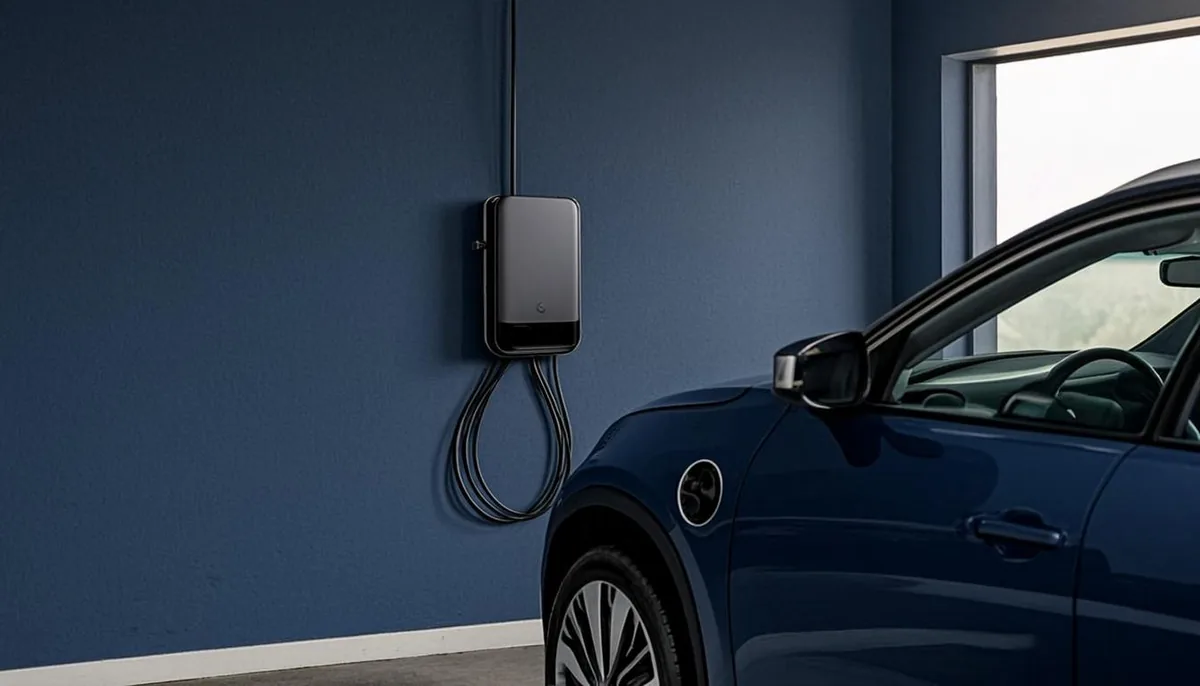
Tesla Wall Connector installation requirements follow a short list of electrical fundamentals, and Bothell homeowners who understand that list before the estimate tend to move through the project with fewer surprises. This post covers the circuit Tesla expects, how breaker sizing actually works, where the unit can mount, and what permits look like here.
None of it is exotic. Every requirement traces back to one idea: a high-power charging device needs a circuit, a mounting spot, and a panel that can support it safely for years. Homeowners who hold onto that frame read estimates faster and spot the questions worth asking.
First principles
The Electrical Basics Tesla Expects
Start with the circuit itself. Tesla's requirements call for a 240-volt branch circuit, the run of wiring from your panel to a single destination, feeding the charger through conductors matched to the job. That circuit must also be dedicated, meaning nothing else plugs into it or shares its breaker, because the code classifies EV charging as a continuous load, one sized for hours of sustained use rather than a quick burst. The third basic is professional installation. Tesla's instructions are written for a qualified electrician rather than a weekend project, and the permit and inspection steps below assume the same. Skip it, and the project can stall at inspection.
Breaker sizing
Circuit Breaker Sizing Depends on the Configuration
Here is the part many homeowners get wrong: there is no single required breaker size. Tesla builds the Wall Connector so that its output current is configured on the unit itself during commissioning, the configuration step after mounting, and the breaker protecting the circuit is chosen to match it. At maximum output, Tesla's documentation specifies a double-pole 60 amp breaker, which occupies two slots in a residential panel. Below that maximum, the same unit supports lower-amperage breakers, which is how it manages to work with almost any existing electrical system.
Commissioning is also where the unit's automatic load management comes into play, letting the Wall Connector watch the panel and adjust its own output so the house never draws more than the service can deliver. The practical takeaway: the breaker is a decision, not a default, and it gets set for your panel rather than copied from a chart. Your estimate should name the configuration in writing before work starts. Tesla lays out the specifics in its Wall Connector installation guidance and in the Wall Connector installation manual, and we follow both on every job.
Placement
Location and Mounting Considerations
Garage walls are the natural home for the unit. Mounting on the wall nearest your parking spot keeps the cable run short, the installation simple, and the handle within easy reach of the charge port. Cable reach is worth thinking about before the drill comes out: a unit mounted too far from where the car actually sits, especially with two vehicles sharing the space, turns a tidy setup into a daily annoyance.
Outdoors is different. Tesla rates the unit for outdoor mounting, and the surrounding materials, enclosures and wiring methods, are suited to the exposure. Garage-free driveways are common around Bothell, and those homes install perfectly well with the same attention to detail. Indoors or out, the deciding factor is where the car sleeps, not where the panel happens to sit.
Capacity check
Will Your Existing Panel Support It?
Panel capacity decides more than any other item on this list. The evaluation begins with a load calculation, which totals what the house can draw at once, heating, water heating, dryer, range, and everything else, and compares that demand with the rating of your electrical service. That result shows whether a new charging circuit fits alongside daily life or whether the service itself needs attention first.
Many 100 amp homes pass that test comfortably, particularly when the charger is configured at a lower output and load management lets it share capacity with the house. Others come up short, often because electric heating, an aging service, or planned electrification leaves no headroom. When the numbers say so, a 100 to 200 amp service upgrade becomes phase one of the project rather than an afterthought. Expect this evaluation during the estimate, not after the deposit.
Paperwork
Permits and Inspections
In Bothell, the state rather than the city issues the paperwork: Washington L&I holds the electrical permit process, and the city's own Permit Center page points homeowners to Labor and Industries for exactly that reason, and a great deal of the filing happens online. Once the work is complete, inspection follows, with L&I inspecting electrical work against the 2023 National Electrical Code. On our installations, filing, fees, and the inspector visit are handled for you, so the paperwork stays off your plate.
The workflow
What a Professional Installation Includes
Scope shifts a little from home to home, but every Tesla Wall Connector installation in Bothell we perform covers five things:
- Assessment. A site walk and panel evaluation settle the mounting location, the circuit route, and the load calculation that governs everything else.
- Circuit. The electrician installs a dedicated 240-volt circuit with a breaker and conductors sized to the agreed configuration and the actual run length.
- Mounting. The unit is secured at a practical height, with the cable path planned around how the car actually parks.
- Commissioning. Output current is set on the unit itself so the charger matches its circuit, and Wi-Fi features are connected if you want them.
- Testing. A test charge with your vehicle confirms the whole chain, from breaker to handle, behaves as it should.
Each stage is documented, so you know what was installed, at what setting, and why.
Requirements sound imposing on paper, yet each one exists to make the charger boring: it works, every day, for years. If you are weighing a Wall Connector for your home, we will assess your panel, walk the parking setup, and put the whole plan in writing.
Ready when you are: call (425) 285-8045, describe your garage and panel, and we will map the requirements for your address.