How to Choose the Best Home EV Charger for Your House
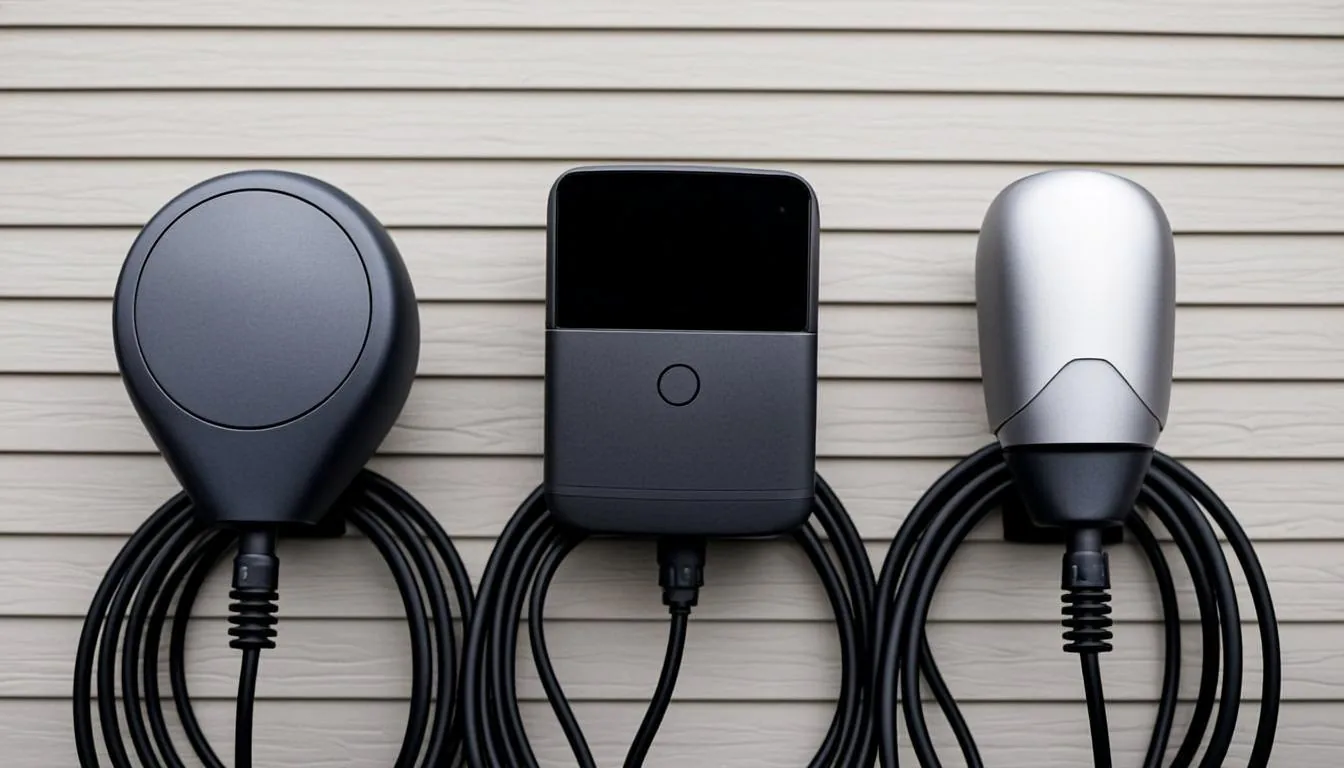
Ask which is the best home EV charger and you will get a different answer from every aisle of the internet, because the honest reply depends on your panel, your parking and your driving more than on any badge. A charger is not a television; there is no single best model, only the unit whose amperage, mounting style and features fit one particular house. That is actually good news for shoppers: the decision gets easier once you know what to match.
This guide walks through the matching process in the order a professional installer would use: capacity first, amperage second, mounting style third, then the feature list that actually earns its price. By the end you will know which questions to ask before money changes hands. And if you want the electrical side settled first, our EV charger installation in Bothell service starts with a load assessment rather than a product recommendation, which is exactly the right order.
Start With Your Panel, Not the Charger Box
The best Level 2 EV charger for your home is capped by what your electrical service can supply, so the panel comes before the shopping list. A quick look at the main breaker tells you the service size, and a load calculation tells you how much of it is already spoken for by the furnace, water heater, range and everything else that runs on electrons. Our panel capacity guide shows what an electrician checks, and our 100 amp panel guide explains why smaller services often still work.
When the calculation shows little headroom, there are still options short of a service upgrade: many modern units let the installer dial their draw down to match available capacity, and load management can let a charger share power with the household automatically. Where the panel itself is the bottleneck, capacity work such as the electrical panel upgrades our crew performs comes first, and the charger choice follows. Choosing hardware before this step is how chargers end up running at half speed or, worse, tripping breakers every evening.
Match the Amperage to Your Driving, Not the Brochure
Level 2 units commonly ship in output tiers around 32, 40, 48 and occasionally 56 amps, and the tempting move is to buy the biggest number. The smarter move is to do the math on your own driving. The Department of Energy's figures put Level 2 charging near 25 miles of range per hour in its charging infrastructure overview, which means even a mid-tier unit refills a typical commute during dinner. A 48 amp monster earns its keep mainly in households with long daily ranges, big batteries, or two EVs sharing one circuit on a schedule.
Remember that every output tier maps to a breaker size, because EV charging counts as a continuous load; the mapping is laid out in our EV charger breaker size guide. More output also means a longer, costlier circuit run and less headroom left in the panel. For a household that drives sixty miles a day, a 40 amp unit on a 50 amp breaker is frequently the sweet spot, and the money saved buys a longer cord or a better mounting location.
Hardwired or Plug-In: Choose the Mounting Style First
Before comparing brands, decide between hardwired and plug-in hardware, because that choice shapes the installation more than the logo on the box. Hardwired units suit outdoor walls and detached garages, carry the highest continuous ratings, and never depend on a receptacle in the circuit path. Plug-in units connect to a NEMA 14-50 receptacle or similar, swap out in minutes when you upgrade later, and travel with you if you move. Our outlet vs. hardwired comparison covers the tradeoffs in detail, and our NEMA 14-50 guide explains what a proper receptacle installation involves.
Location inside the garage matters as much as the hardware choice. The cord has to reach the charge port where the car actually parks, which is why our charger placement guide recommends picking the mounting wall before picking the unit. Measure the distance from the panel to that wall, too, since wiring distance is one of the main drivers of installation cost, as our installation cost guide explains.
Smart Features Worth Paying For, and One That Is Mandatory for Rebates
Connected chargers earn their premium in three ways. Scheduling shifts charging into the cheap overnight window your utility may offer, which matters on time-of-use rates. Monitoring shows exactly what each session costs, which quietly settles household debates about the electric bill. And on the more advanced models, load management lets the unit throttle itself when the household is pulling hard and return to full speed later, which is a genuine solution on smaller services.
There is also a rebate angle that shoppers routinely miss: utility incentive programs generally require energy-certified, connected equipment rather than basic models, a point the Department of Energy makes in its home charging guidance. Puget Sound Energy's program is summarized in our PSE vs. Snohomish PUD comparison and the broader Washington landscape in our rebates guide. Check certification before buying, because an uncertified bargain can cost you the rebate that made the budget work.
Models Homeowners Ask About, and How to Weigh Them
A few names dominate shortlists around the Puget Sound area, and each earns its reputation in a different corner. The Tesla Wall Connector is the default for Tesla households: a hardwired unit with a configurable output that lets the installer match the circuit, and a J1772-equipped Universal variant that serves non-Tesla cars on the same wall. The ChargePoint Home Flex is a frequent pick for connected features, offering Wi-Fi control with output up to 48 amps in both hardwired and plug-in configurations. The Emporia charger has built a following on value, with a 48 amp ceiling, an optional plug variant and an energy-monitoring ecosystem. The Wallbox Pulsar Plus competes on compact size, and the rugged, outdoor-oriented Grizzl-E appeals where weather exposure is severe.
Treat that paragraph as a map, not a verdict. Model years change, outputs get revised, and certifications come and go, so verify current specifications against the manufacturer's documentation before purchase, and confirm rebate eligibility for the exact model number. What does not change is the electrical side: whichever unit you choose, it needs a dedicated circuit sized to its configured output, a panel with room to carry it, and a permit filed through Washington L&I before energization. Our Wall Connector requirements guide shows what that looks like for the most-asked-about unit, and the same sequence applies across the aisle.
The best home EV charger, in the end, is the one your panel can feed, your cord can reach, and your utility will help pay for. When you want that matched before you buy, call (425) 285-8045 and we will run the assessment first, then point you at the hardware that fits it.